Detailed, anonymised case studies from our patient cohort. Every number is real. Every chart is taken directly from our monitoring system. Every case is published with the patient’s written consent.
Most clinics talk about results in adjectives — life-changing, transformative, breakthrough. We’d rather show you the numbers.
The case studies below come directly from our internal monitoring platform. Every score is a real clinical assessment, taken at a real point in someone’s treatment. Where we use a patient’s words, those words are theirs — sometimes paraphrased to protect identity, never invented.
We publish these because the only way to make ketamine treatment understandable for people who haven’t experienced it is to show them what it looks like in practice. And because the people we treat deserve to see real evidence before they spend real money.
All cases anonymised
Published with written consent
Clinical data verified by treating consultant
Case Study #1
10+ Years of Previous Treatment. A 9-Week Programme at Save Minds
A 42-year-old London professional who tried everything — and finally found what worked.
Photo is an anonymised representation to protect patient privacy.
“I spent years just getting through each day. This is the first time I’ve felt like myself again.”
10+ Years
living with depression
5 Treatments
tried without success
9 Weeks
Save Minds programme
What Didn't Work
5 previous treatments over 10 years — no lasting relief.
Despite appearing high-functioning at work, his internal experience was very different: daily anxiety from the moment he woke, persistent low mood and emotional exhaustion, intrusive repetitive thoughts about his health, chronic muscle tension and pain, poor sleep, low energy. He continued working and supporting his family — but at significant personal cost.
What Met the Criteria for Treatment-Resistance
Five antidepressants trialled — four SSRIs and one SNRI — all at appropriate doses and durations. No sustained remission. By clinical definition, this meets the criteria for treatment-resistant depression. He was also taking Pregabalin (150 mg) for anxiety — providing partial symptom relief at best.
The Save Minds Programme
He completed a 9-week treatment programme designed for patients who haven’t responded to traditional antidepressants. He completed a structured consultant-led programme with daily monitoring. Proposed mechanisms are under investigation; evidence and expected response differ by condition.
By the End of Treatment
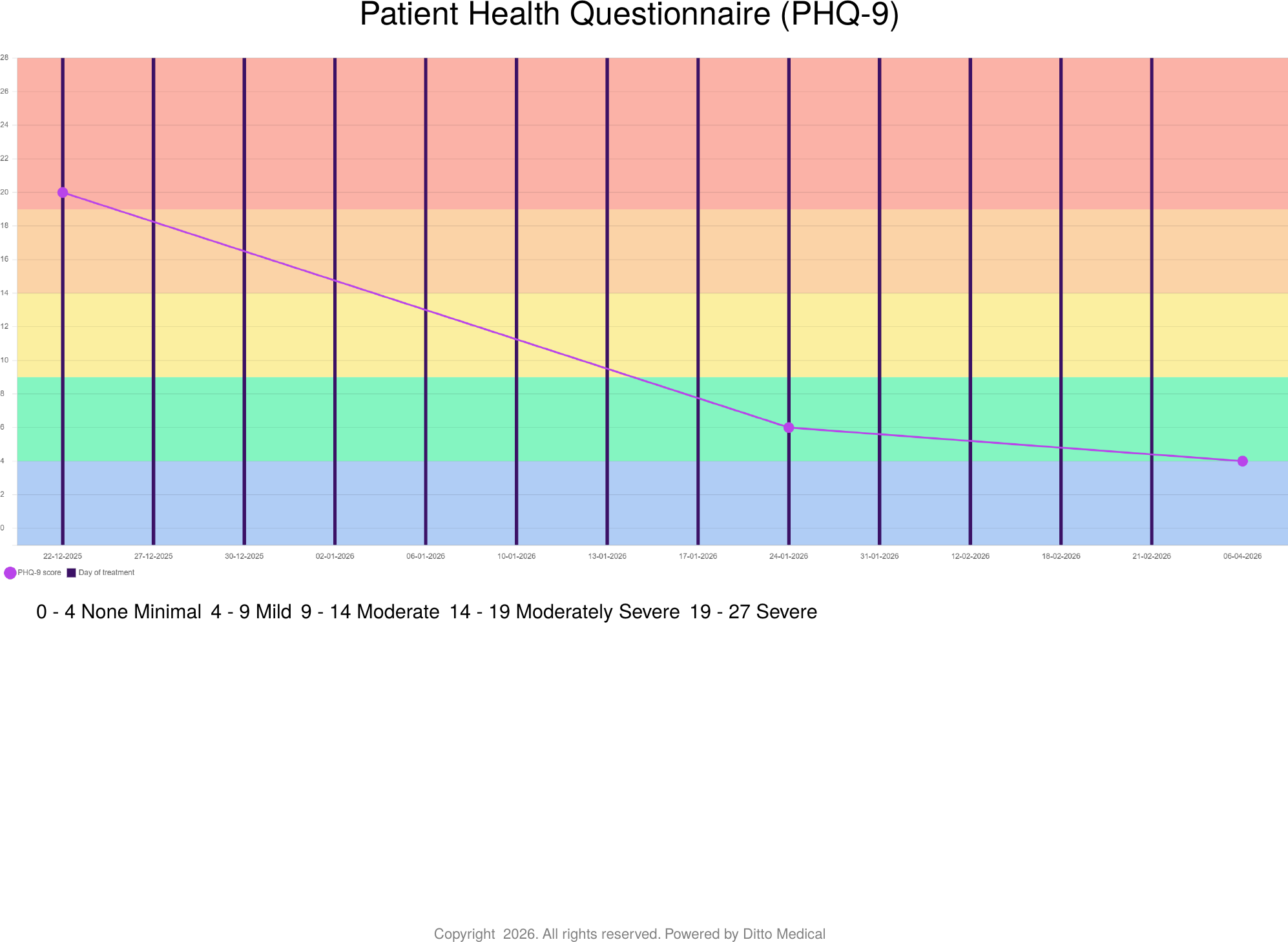
He experienced dramatically reduced depression and anxiety scores, improved sleep and energy, reduced physical tension and pain, greater emotional stability, and a renewed sense of control. The depression PHQ-9 score moved from 20 (severe) to 4 (minimal). Suicidal ideation, present at intake, resolved completely by week 5 and remained at zero throughout the rest of the programme.
Case Study #2
9 Clinical Scales. Every One Improved.
Comprehensive tracking across depression, anxiety, OCD, PTSD, rumination, suicidality and wellbeing — all moving in the right direction.
Photo is an anonymised representation to protect patient privacy.
“For the first time in years, the numbers confirm what I feel — I’m actually getting better.”
9
Scales Tracked
Across all conditions
80%
Depression Drop
PHQ-9
74%
Anxiety Drop
GAD-7
0
Suicide Risk
C-SSRS
Measured Progress
Clinically validated scores — start vs. latest.
Depression (PHQ-9) – Severe → Minimal
80%
Now: 4 / 27
Start: 20
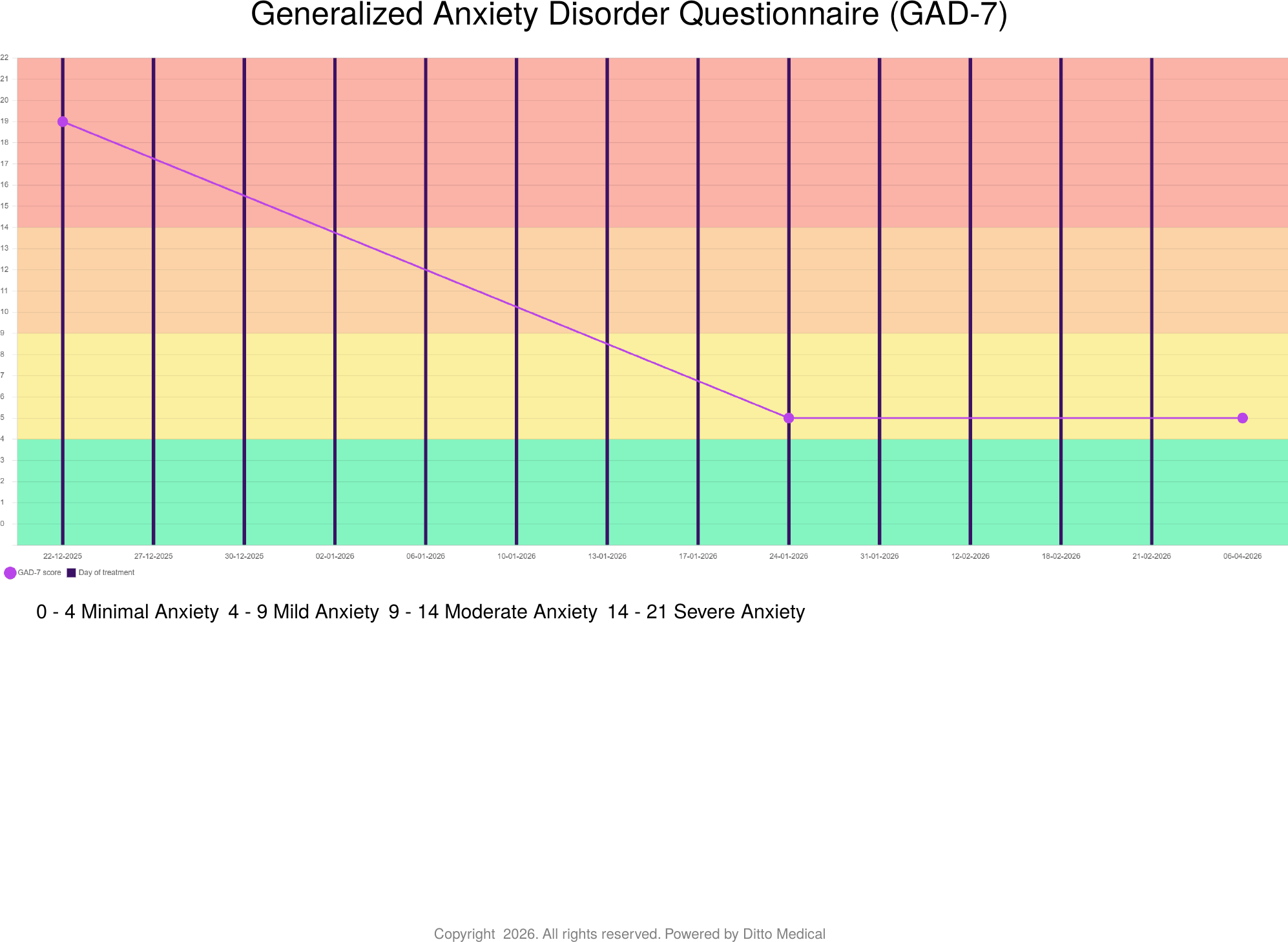
Anxiety (GAD-7) – Severe → Mild
74%
Now: 5 / 21
Start: 19
OCD (Y-BOCS) – Severe → Mild
54%
Now: 13 / 40
Start: 28
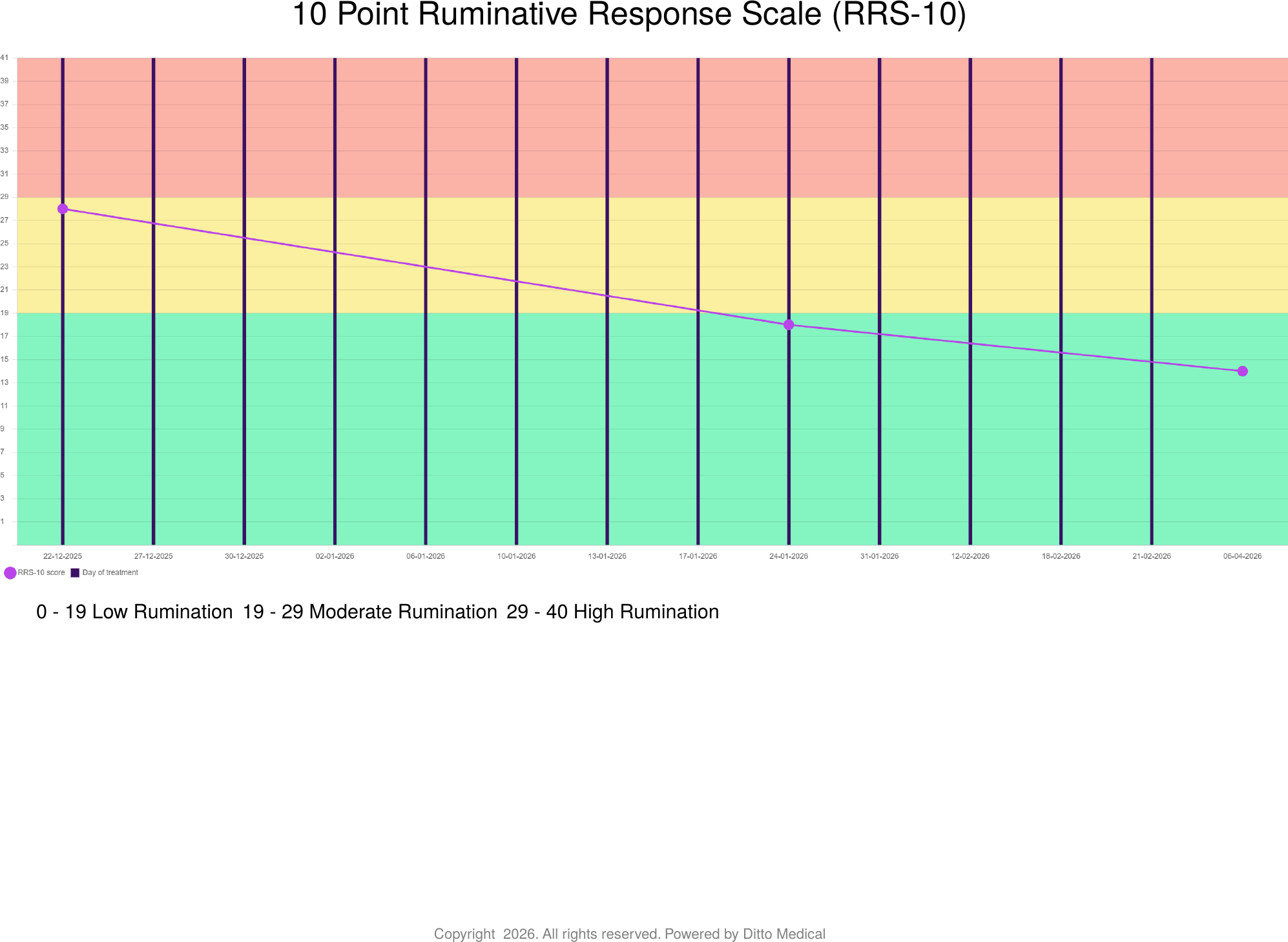
Rumination (RRS-10) – Moderate → Low
50%
Now: 14 / 40
Start: 28
PTSD (NSESSS) – Below threshold → Below threshold
Maintained
Now: 7 / 36
Start: 11
Wellbeing (WEMWBS) – Very Low → Below Average
Marked improvement
Now: 46 / 70
Start: 33
Suicidal ideation fully resolved (C-SSRS: 1 → 0)
PTSD symptoms stayed below clinical threshold throughout
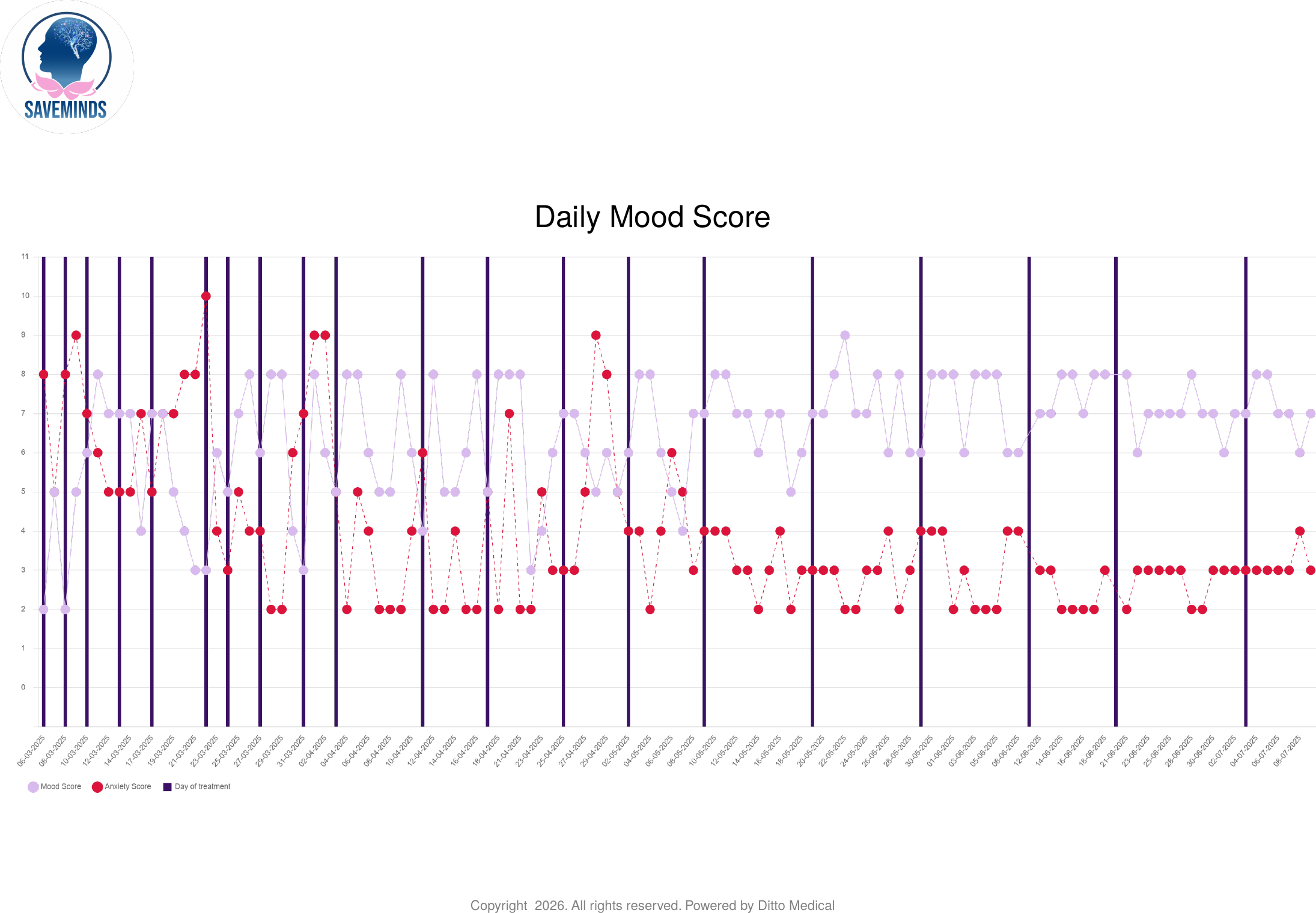
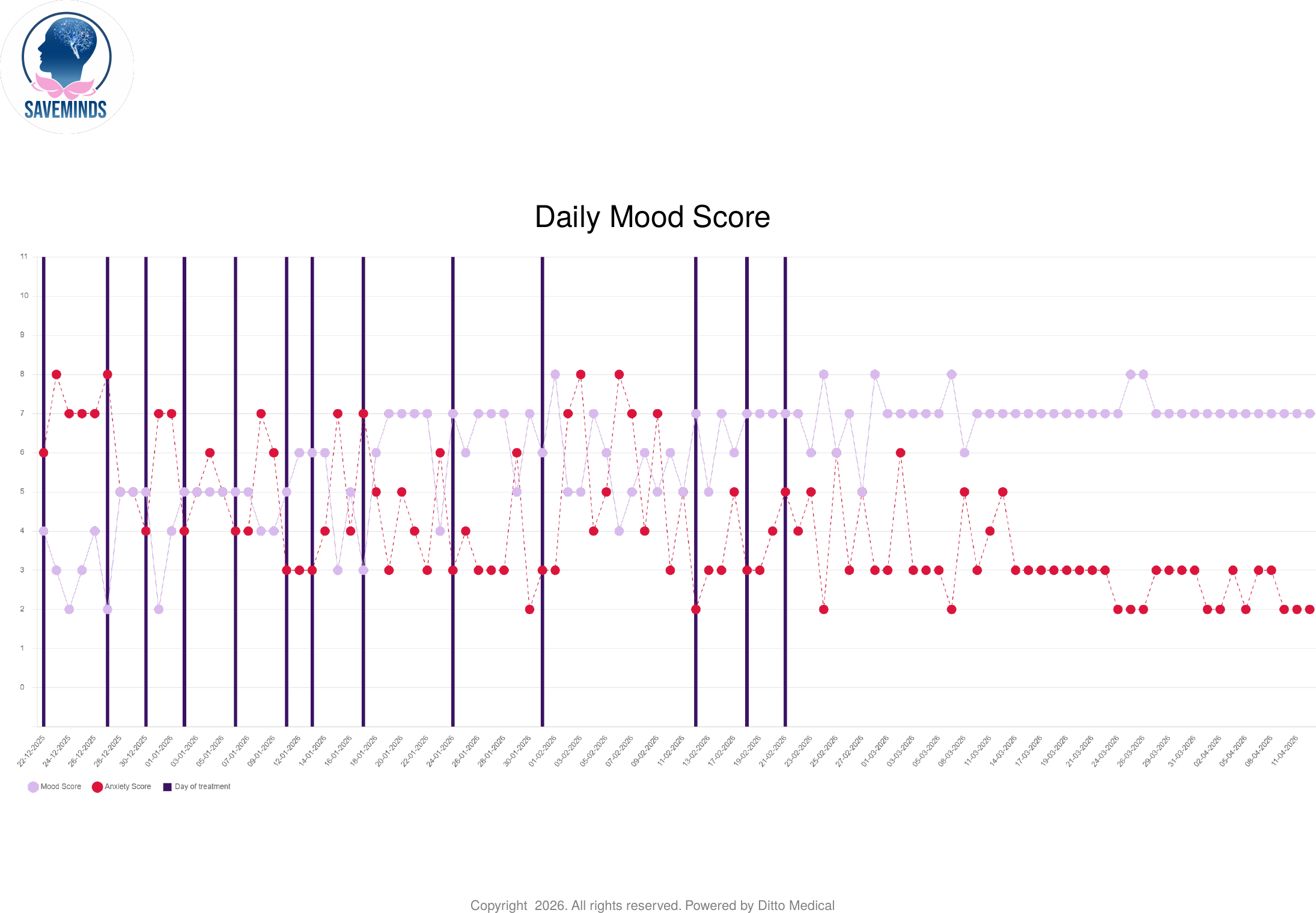
Daily mood scores rose steadily, anxiety scores fell
Daily mood scores rose steadily, anxiety scores fell
Case Study - Consultant-Led Ketamine Treatment
13+ Years of Depression. 4 Months to Remission.
A 38-year-old professional with severe, unremitting depression, anxiety and probable PTSD since his early twenties – tracked daily through the Save Minds Protocol.
Photo is an anonymised representation to protect patient privacy.
Measured Results
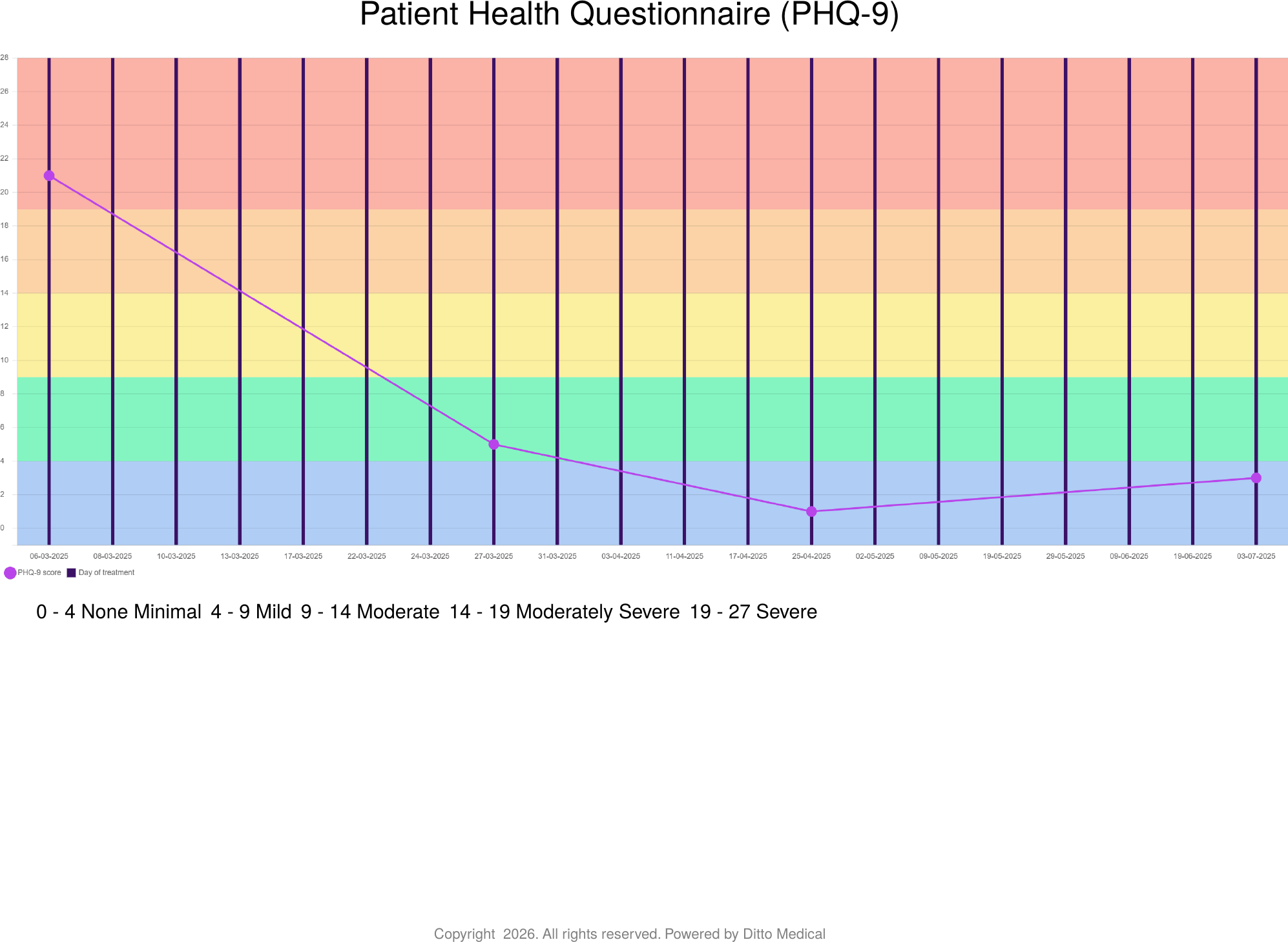
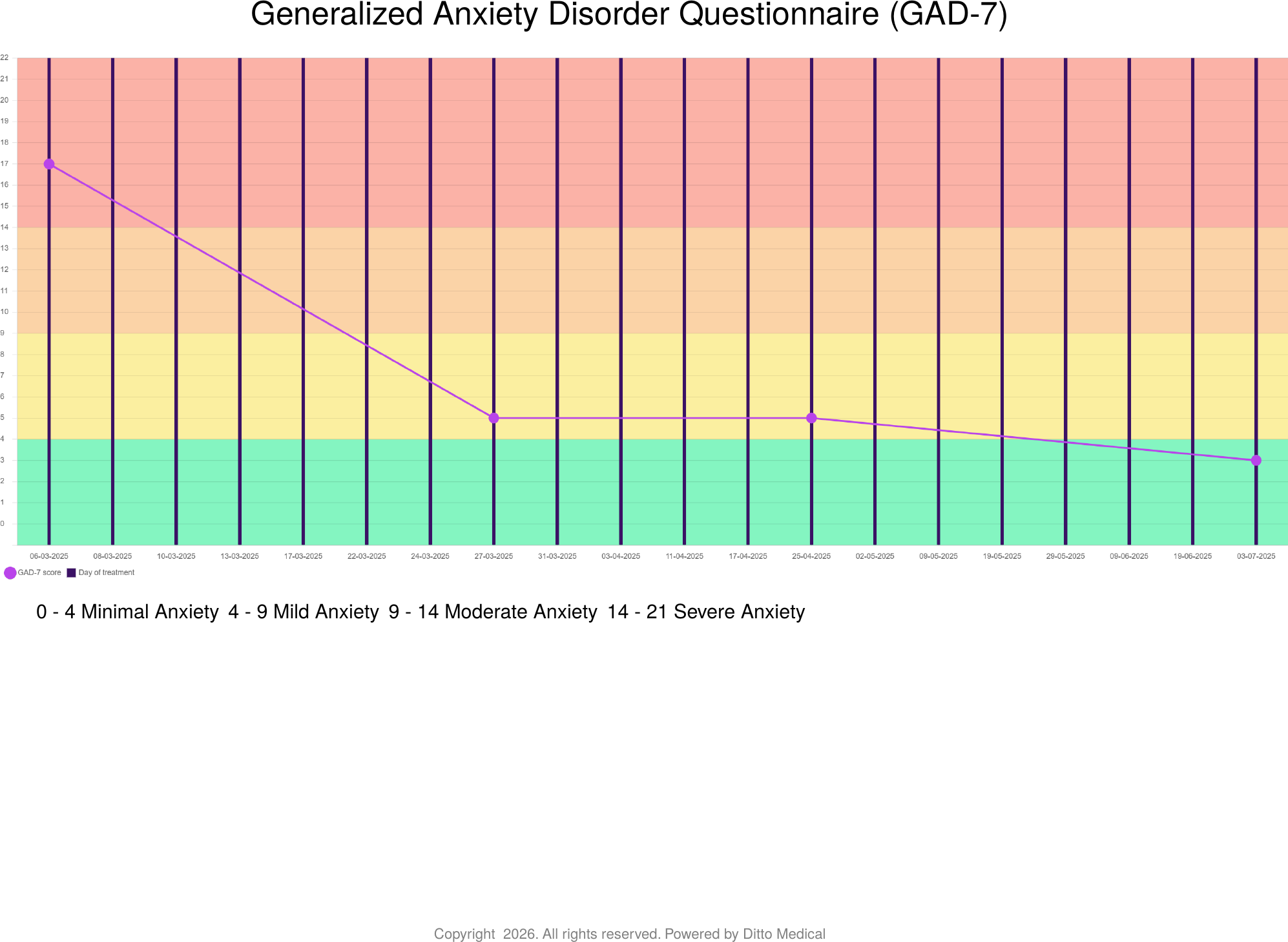
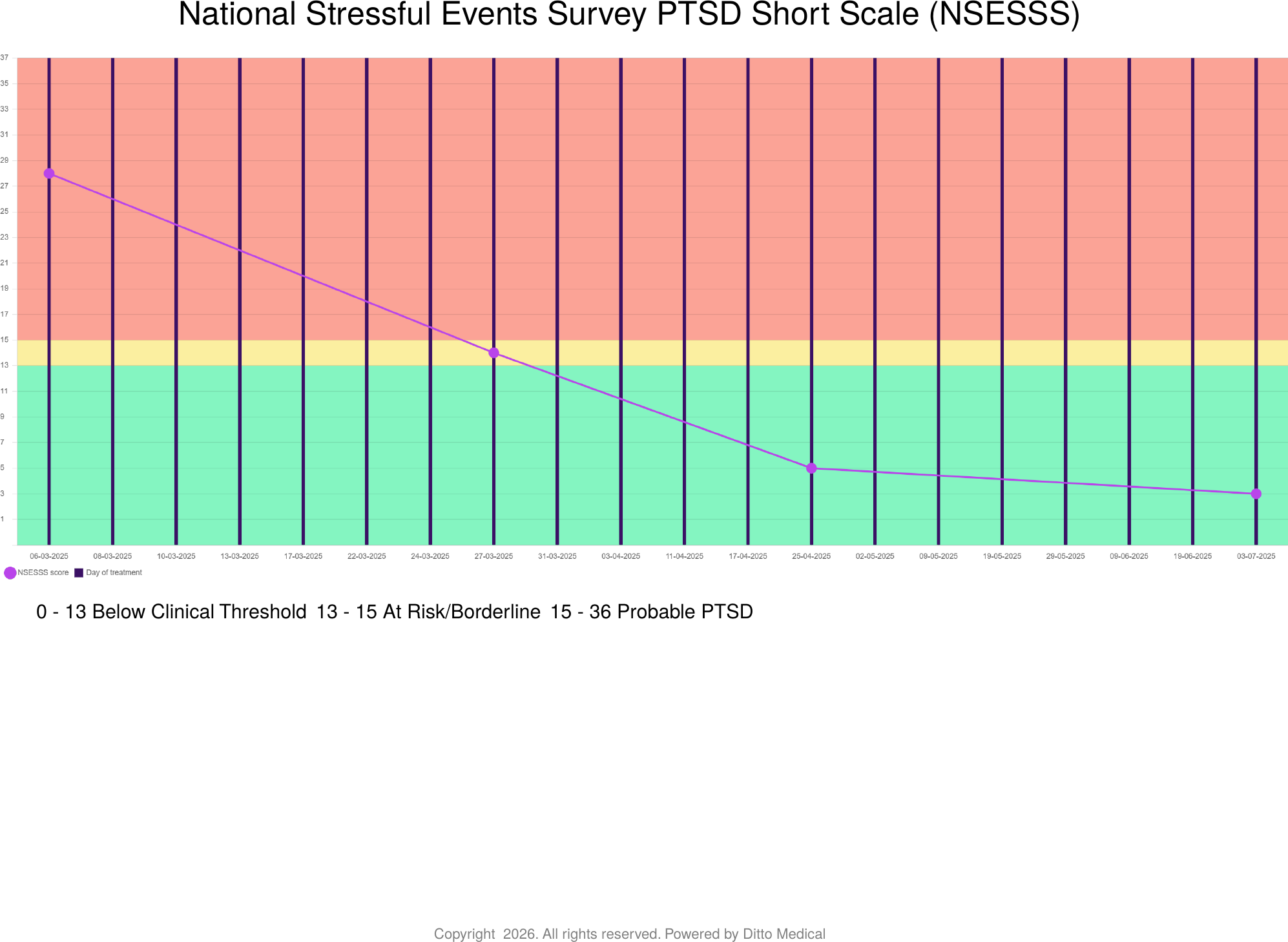
Clinically validated scores, tracked daily and reviewed at each session – start of treatment vs. end of programme.
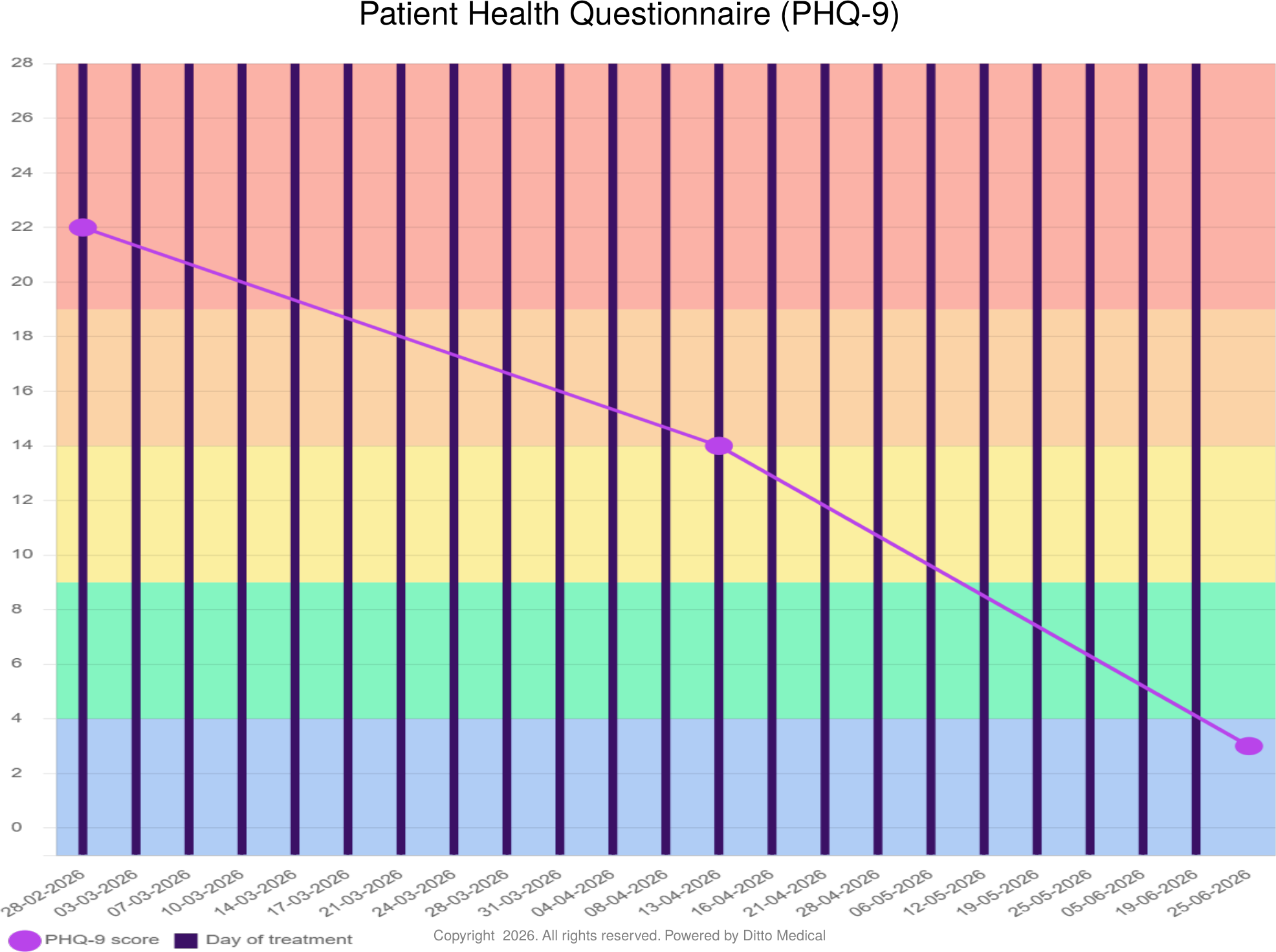
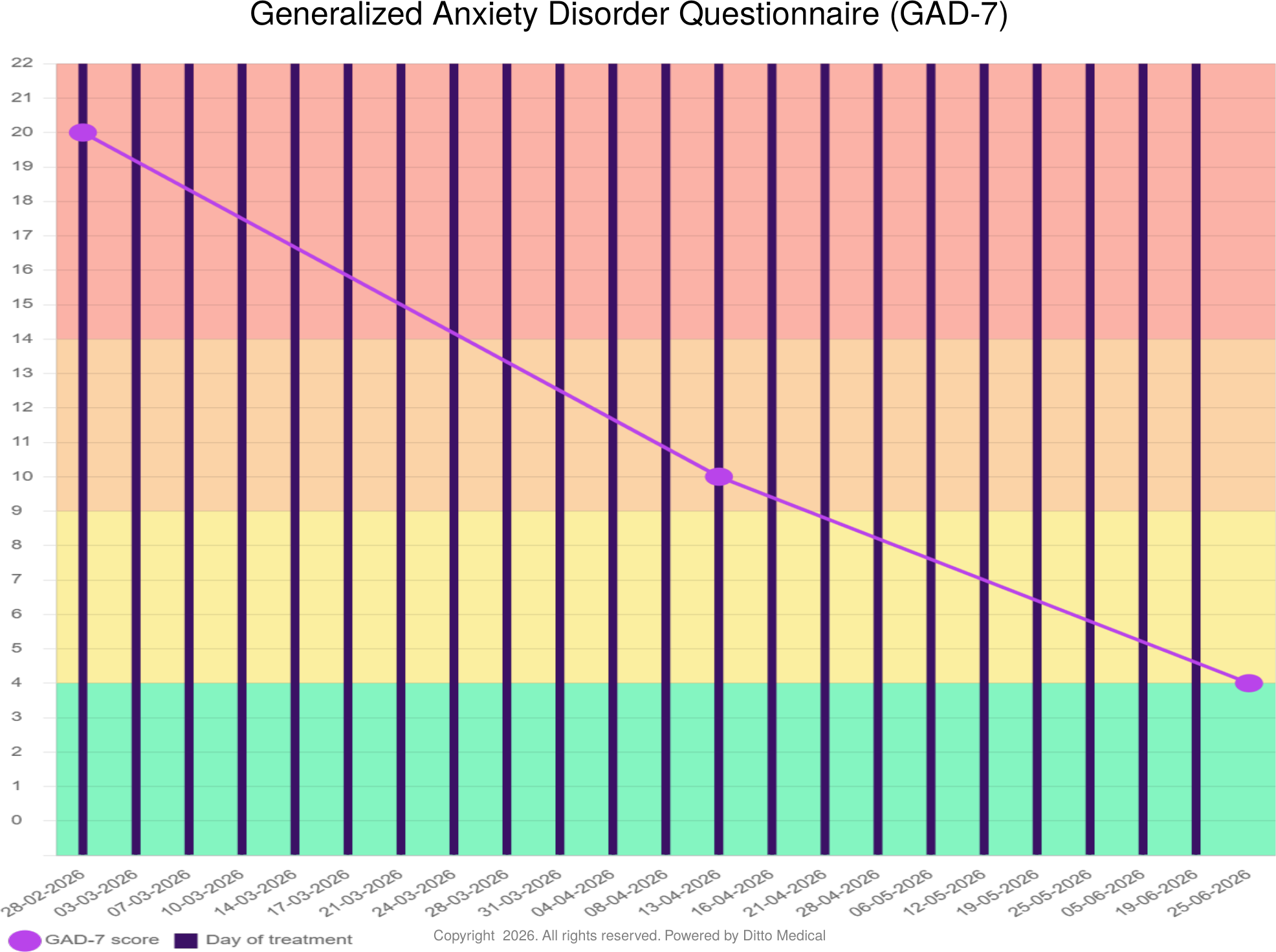
Depression and anxiety fell from severe to minimal
PTSD symptoms dropped below clinical threshold
Daily mood scores rose and stabilised over the programme
Return to independent daily functioning by end of treatment
The Reality Before Treatment
He had not experienced two consecutive symptom-free weeks since roughly 2011–2012 – over a decade of unremitting low mood, tearfulness, and pervasive anxiety. Rumination on past mistakes and anxious anticipation of the future left him unable to stay present. Basic self-care had become difficult: he struggled to shower daily, could no longer cook independently, and increasingly avoided leaving the house. Sleep was consistently poor, and interest in previously enjoyed activities had disappeared, replaced by a persistent sense of hopelessness.
Contributing Factors
He identified a history of early-life adversity as a maintaining factor: growing up in a large, high-pressure household, school-based bullying that left him chronically hypervigilant, and ongoing family tension into adulthood. Poor sleep, loss of independence in daily self-care, and social withdrawal compounded the depressive and anxious symptoms over time.
The Save Minds Protocol
A targeted, consultant-led treatment programme delivered over four months with structured daily mood and anxiety tracking, and periodic clinical review using validated scales (PHQ-9, GAD-7, NSESSS).
By the End of Treatment
Depression (PHQ-9) fell from 21 to 3 — severe to minimal. Anxiety (GAD-7) fell from 17 to 3, also into the minimal range. PTSD symptoms (NSESSS) fell from 28, in the probable-PTSD band, to 3, below the clinical threshold. Daily self-reported mood and anxiety scores showed a clear shift from low, volatile ratings early in treatment to higher, more stable scores by the final weeks. He returned to work and described himself as happier and more productive than at any point in the preceding decade.
This case reflects one individual’s reported symptoms and standardised clinical scores as recorded during treatment. It is not a controlled study and does not establish general efficacy for all patients. Individual outcomes vary; a full clinical assessment is required to determine suitability for treatment.
Case Study - Consultant-Led Ketamine Treatment
Chronic Anxiety and Pain. Under 4 Months to Response.
A 50-year-old professional with 2.5 years of treatment-resistant anxiety, insomnia and chronic pain – to the point of considering leaving his career – tracked through the Save Minds Protocol.
Anonymised case, published with the patient’s consent.
2.5 Years
of unremitting anxiety and pain
Under 4 Months
to treatment response
74%
reduction in depression score
Consultant-Led
throughout treatment
Measured Results
Clinically validated scores, tracked daily and reviewed at each session – start of treatment vs. end of programme.
Daily mood scores rose and stabilised over the programme
The Reality Before Treatment
For roughly two and a half years he experienced chronic anxiety and stress that disrupted his sleep and increased muscle tension, aggravating pre-existing back and neck pain from a prolapsed disc. The combination led to social isolation and continual negative thoughts — a persistent sense that he could not cope, could not carry on, and found no enjoyment in daily life. His symptoms had progressed to the point where he was seriously considering leaving his job.
Contributing Factors
Several concurrent stressors maintained his condition: chronic pain, ongoing insomnia, and significant family worry. He had also experienced several close family bereavements — including both parents and a family pet — over the preceding three to four years. He additionally described a history of significant early-life bereavement and family adversity contributing to long-standing vulnerability.
The Save Minds Protocol
A targeted, consultant-led treatment programme delivered over approximately 3.5 months with structured daily mood and anxiety tracking, and periodic clinical review using validated scales (PHQ-9, GAD-7, RRS-10).
By the End of Treatment
Depression (PHQ-9) fell from 20 to 4 — moderately severe to minimal. Anxiety (GAD-7) fell from 19 to 5, moving from severe into the mild range. Rumination (RRS-10) fell from 28, in the moderate band, to 14, in the low-rumination range. Daily self-reported mood and anxiety scores showed a shift from low, volatile ratings early in treatment to higher, more stable scores by the closing weeks of the programme.
This case reflects one individual’s reported symptoms and standardised clinical scores as recorded during treatment. It is not a controlled study and does not establish general efficacy for all patients. Individual outcomes vary; a full clinical assessment is required to determine suitability for treatment.
Case Study - Treatment-Resistant Severe Complex PTSD
Severe Complex PTSD. Under 4 Months to Response.
A 33-year-old gentleman living with severe complex PTSD, chronic widespread pain, and treatment-resistant depression and anxiety since childhood – tracked through the Save Minds Protocol.
Anonymised case, published with the patient’s consent.
10+ Years
of extensive prior therapy
Under 4 Months
Save Minds programme
93%
reduction in PTSD symptom score
Consultant-Led
throughout treatment
Measured Results
Clinically validated scores, tracked daily and reviewed at each session – start of treatment vs. end of programme.
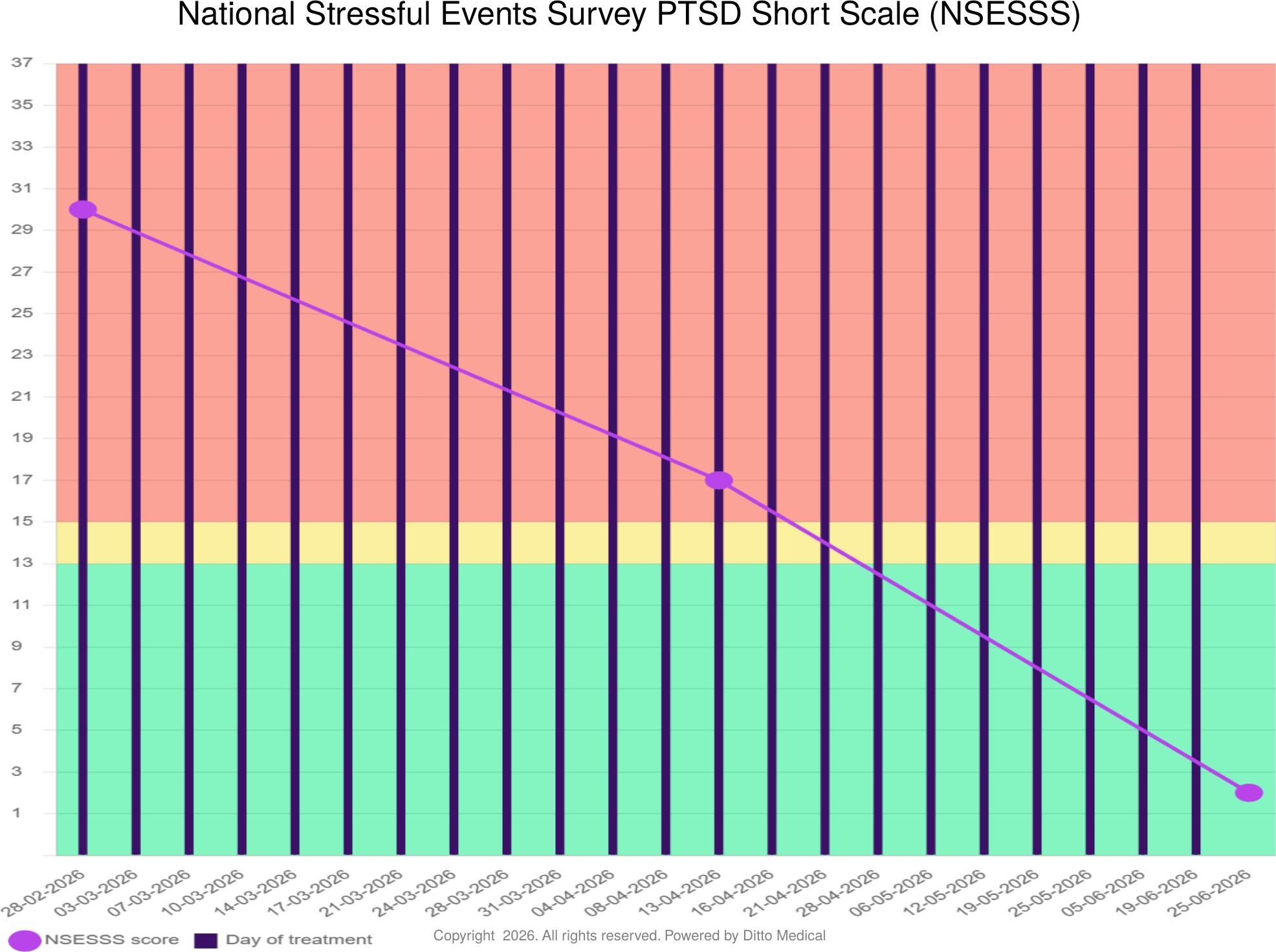
PTSD symptoms dropped from probable PTSD to below clinical threshold
Continued full engagement in work and family life throughout treatment
The Reality Before Treatment
He presented with widespread chronic pain affecting his back, neck, pelvis, and limbs, alongside frequent headaches and numbness in his hands and feet. Psychologically, he experienced severe emotional dysregulation, hypervigilance, recurrent night terrors, panic attacks, flashbacks, and involuntary physical spasms. Intrusive thoughts centred on themes of being irreparably damaged, unreachable, and in danger, alongside deep hopelessness, shame, disconnection from others, and social anxiety. Despite this, he continued working part-time and helping care for his young child, though pain frequently limited his capacity for physical caregiving and placed strain on his closest relationships.
What Met the Criteria for Treatment-Resistance
Over the preceding decade he had undertaken extensive, varied trauma-focused therapy, along with five years of varied medical treatment and medication trials for chronic pain. Despite consistent engagement and meaningful gains in self-management and pacing, neither his PTSD symptoms nor his pain had shown sustained meaningful improvement – meeting the clinical threshold for treatment-resistant complex PTSD.
Contributing Factors
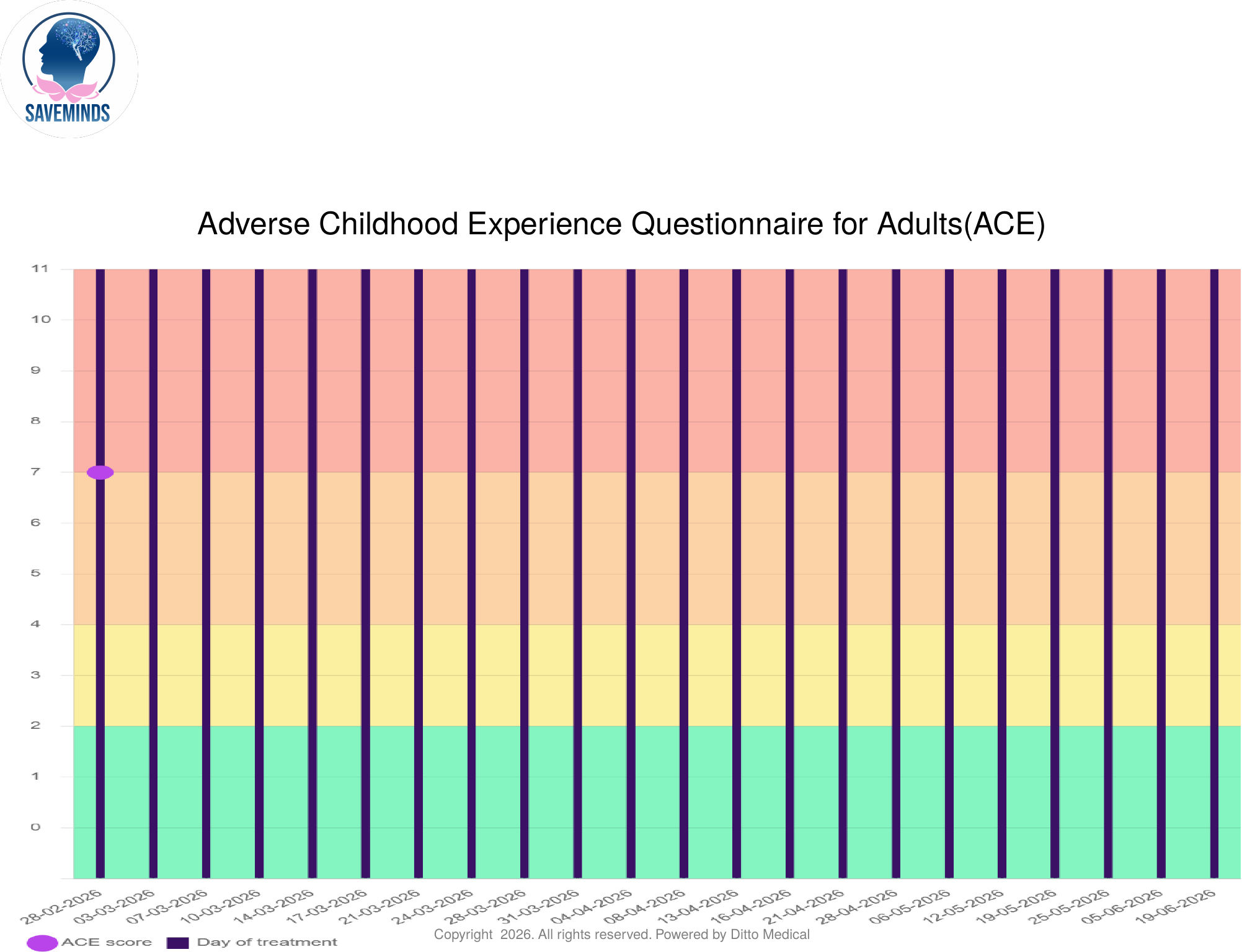
He experienced severe, sustained adverse childhood experiences from infancy through early adolescence, including prolonged physical abuse and repeated life-threatening incidents within the family home — to an extent that child protective services became involved and his parents feared for the safety of the household. He was also the victim of further violence and victimisation as a teenager. His Adverse Childhood Experience (ACE) score of 7 places him in the high-risk band, reflecting the scale of early-life adversity contributing to his condition.
The Save Minds Protocol
A targeted, consultant-led treatment programme delivered over approximately 3.8 months with structured daily mood tracking, and periodic clinical review using validated scales (PHQ-9, GAD-7, NSESSS, ACE).
By the End of Treatment
Depression (PHQ-9) fell from 22 to 3 — severe to minimal. Anxiety (GAD-7) fell from 20 to 4, also into the minimal range. PTSD symptoms (NSESSS) fell from 30, in the probable-PTSD band, to 2, well below the clinical threshold. His ACE score remained unchanged at 7, as expected for a measure of lifetime history rather than current symptoms. He sustained his professional work and caregiving role throughout treatment, achieving a level of symptom relief that had not been reached despite more than a decade of prior therapeutic and medical intervention.
This case reflects one individual’s reported symptoms and standardised clinical scores as recorded during treatment. It is not a controlled study and does not establish general efficacy for all patients. Individual outcomes vary; a full clinical assessment is required to determine suitability for treatment.
Across the Cohort
The wider picture, in numbers.
Individual cases tell stories. Aggregated data tells you whether those stories are typical. Below is our outcomes data across 750+ patients and over 7,500 treatments.
75%+
Good response rate
Across all conditions
50%
See significant change in first 10 sessions
Depression & anxiety
75%+
Of patients achieve good response by session 20
Complete programme
75%+
Of severely suicidal patients have ideation fully resolved within 6–8 sessions
C-SSRS
Internal audit data, awaiting peer-reviewed publication. Last updated: 2026.
We’re publishing additional case studies as our audit data becomes available. Each new case is reviewed by our clinical team and published with the patient’s consent.
PUBLISHED
Treatment-Resistant Depression
42-year-old London professional 10+ years of failed treatment
Photo is an anonymised representation to protect patient privacy.
We publish new case studies as our clinical audit progresses. Want to be notified when new cases go live? Leave your email below.
Honest Caveats
What individual cases don't tell you.
Case studies are powerful evidence, but they have limits. A single patient’s recovery is a single data point — not a guarantee, not a typical outcome, and not a substitute for a proper clinical assessment.
We publish these cases because they show what’s clinically possible, not because we’re promising every patient will see the same trajectory. Around 75%+ of our patients achieve a good response. The other 25–30% don’t, or don’t sustain it. We don’t pretend otherwise.
Individual results vary. The cases here are real, but they're not averages.
Around 5% of patients discontinue treatment before completing a full programme.
20–25% of patients don't respond within the first 10 sessions — though this drops to under 5% by session 20.
Recovery isn't always linear. Most patients see ups and downs along the way.
Maintenance matters. Around 20–30% of patients need occasional maintenance sessions to sustain gains long-term.
Your consultant will be honest with you about what realistic outcomes look like in your specific situation — at every stage of your programme.
Video Testimonials
Hear directly from our patients.
Watch real patients share their experiences and how treatment transformed their lives.
Save Minds’ clinical outcomes are being prepared for publication in a peer-reviewed academic journal — the first audit of its kind from a UK private ketamine clinic. The dataset covers 140 patients across all five conditions we treat, with full clinical scoring at multiple time points.
We’re contributing to a growing body of international research showing that ketamine works for treatment-resistant conditions — and that careful, consultant-led delivery produces better outcomes than the unstructured approaches common in the US private market.
140 patients in the audit
All 5 conditions represented
Multi-point clinical scoring
Submitted for peer review
We can’t share specific publication details until the journal embargo lifts. We’ll update this page when the paper publishes.