

At Save Minds UK, we are dedicated to exploring innovative treatments for mental health and chronic pain right here in London. One of the most exciting developments in this field is ketamine treatment. Originally used as a dissociative anesthetic in surgical settings, ketamine is now being recognized for its potential to help individuals facing challenges such as depression, anxiety, PTSD, and more. In this blog, we’ll delve into the key facts about ketamine’s mechanism of action, helping you understand how it works and who might benefit from this therapy.
Table of Contents
ToggleWhat Is Ketamine?
Ketamine is a medication that was initially developed for use in surgery as an anesthetic. It induces a state of dissociation, meaning it can create a sense of detachment from the environment and oneself. While it has been a staple in emergency medicine for years, recent research has opened the door to its use in mental health treatment. At Save Minds UK, we focus on providing a safe and supportive environment for individuals exploring ketamine treatment as a potential option for their mental health and pain management needs.
How Ketamine Affects the Brain
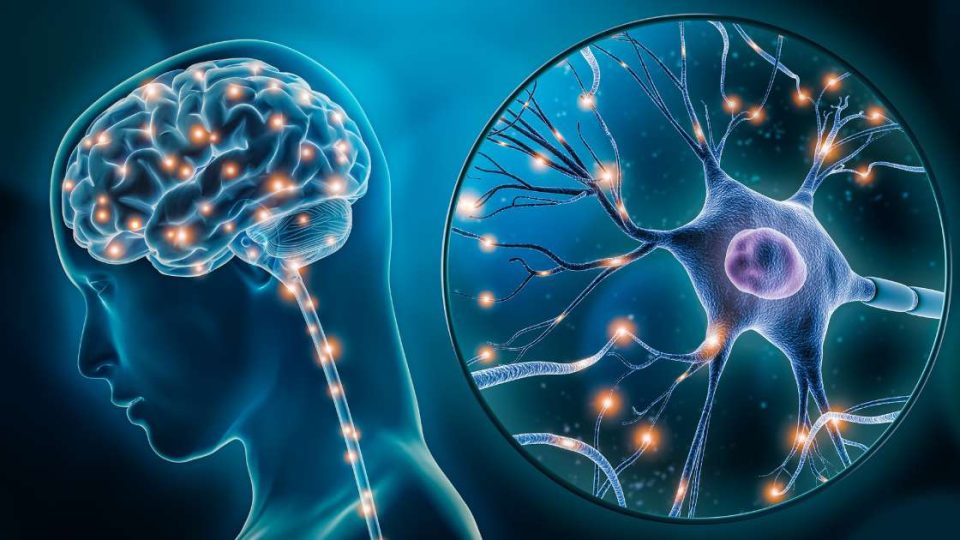
Understanding how ketamine works in the brain can be quite fascinating. Unlike traditional antidepressants that primarily target serotonin, a neurotransmitter associated with mood regulation, ketamine acts on a different part of the brain. Specifically, ketamine interacts with the NMDA receptor, which is part of the brain’s glutamate system. Glutamate is the most abundant neurotransmitter in the brain and plays a crucial role in communication between nerve cells. By affecting the NMDA receptor, ketamine can help increase levels of glutamate, which may promote neuroplasticity. Neuroplasticity is your brain’s ability to form new connections and pathways, allowing it to adapt and change in response to new experiences. This is particularly important for individuals who may feel stuck in negative thought patterns or emotional states.
Why Ketamine May Work for Mood Disorders
The unique way ketamine interacts with the brain makes it a promising option for individuals experiencing mood disorders. For those living with depression, anxiety, or PTSD, traditional mental health treatments may not always provide the relief they seek. Ketamine’s rapid action can offer a different approach, potentially leading to improvements in mood and emotional well-being. By enhancing neuroplasticity, ketamine may help individuals break free from entrenched patterns of thinking and feeling. This can be especially beneficial for someone who has struggled for years with their mental health. At Save Minds UK, we believe in a holistic approach to care, integrating mindfulness practices with ketamine treatment to support your journey toward healing.
Who Might Consider Ketamine Treatment?
Ketamine treatment may be suitable for individuals who have not found success with traditional treatments for mood disorders or chronic pain. If you are a person living with depression, anxiety, PTSD, or chronic pain and are seeking alternative options, ketamine treatment could be worth exploring. It’s essential to have a thorough assessment and discussion with a qualified healthcare professional to determine if ketamine treatment aligns with your needs and goals. At Save Minds UK, we prioritize your safety and well-being, ensuring that you receive clinical oversight and mindfulness-based support throughout your treatment journey.
Final Thoughts
As you consider your treatment options for your mental health, it’s important to stay informed about emerging therapies like ketamine. At Save Minds UK, we are committed to providing a safe, patient-centric environment where you can explore the potential benefits of ketamine treatment. Our focus on mindfulness integration ensures that you receive comprehensive support as you navigate your healing journey.
Get in Touch
If you’re interested in learning more about ketamine treatment and how it may help you or a loved one, we invite you to reach out to us. Our team at Save Minds UK is here to answer your questions and guide you through the process. Contact us today to start your journey toward improved mental health and well-being. This content is for informational purposes only and is not a substitute for professional medical advice.