

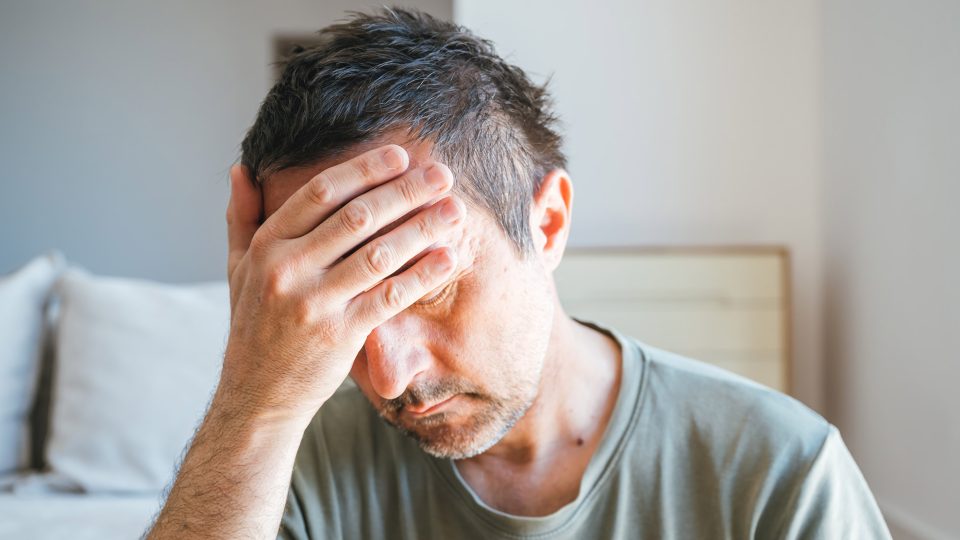
When we think about depression, we often picture its emotional effects: persistent low mood, loss of interest in activities once enjoyed, or feelings of hopelessness. Yet depression is not confined to the mind. It is a whole-body condition, and for many people, some of the earliest signs are physical rather than emotional.
Understanding the physical effects of depression is important because these symptoms can easily be overlooked or attributed to another health condition. Recognising the connection between physical and mental health may help people seek appropriate support sooner.
This guide explains how depression can affect the body, why physical symptoms often develop alongside emotional symptoms, and when they may indicate that it is time to seek professional support. It also explores treatment options for depression, including newer approaches for people who have not responded adequately to more conventional care.
How Does Depression Affect the Body?
Depression affects far more than mood. As the brain regulates many of the body’s essential functions, changes associated with depression can influence sleep, appetite, energy levels, movement and even the way pain is perceived.
Several biological processes may contribute to these physical symptoms. Depression has been linked to changes in brain chemistry, nervous system function and the body’s stress response. In some people, prolonged activation of the stress response can lead to persistently elevated levels of the hormone cortisol and increased inflammation, both of which may contribute to symptoms such as fatigue, muscle aches, headaches and digestive problems.
The relationship also works in the opposite direction. Physical symptoms such as chronic pain, poor sleep and low energy can make depression more difficult to manage, creating a cycle in which physical and emotional symptoms reinforce one another. This is one reason why effective treatment for depression often improves physical wellbeing, while healthy sleep, regular physical activity and management of underlying medical conditions can also support mental health.
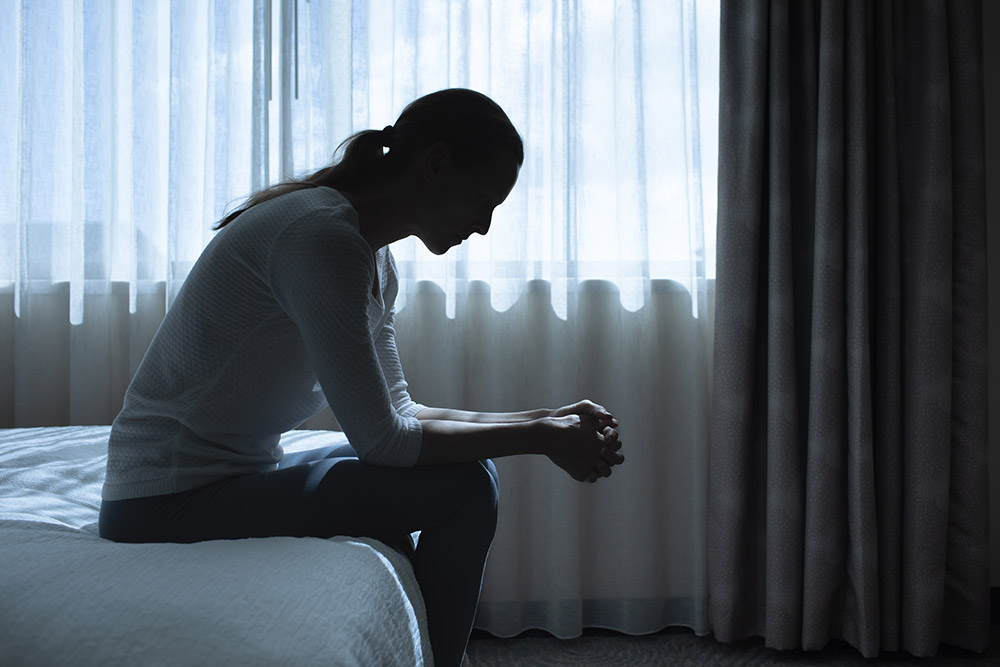
Physical effects of depression include persistent fatigue, aches, pains, sleep disturbances and changes in appetite and weight.
The Physical Effects of Depression
Depression can affect almost every system in the body. The symptoms below are among the most common, with severity differing between individuals.
Persistent Fatigue and Low Energy
One of the most common physical effects of depression is a deep, persistent tiredness that rest does not seem to relieve. You may feel exhausted even after a full night’s sleep, and everyday tasks can start to feel overwhelming. This fatigue can affect your ability to concentrate, stay motivated and carry out daily activities.
Aches, Pains and Increased Sensitivity to Pain
Depression and pain are closely linked. Many people experience unexplained muscle aches, joint pain, back pain or headaches, and research suggests that depression can increase pain sensitivity.
Sleep Disturbances
Depression commonly affects sleep patterns. You may struggle to fall asleep, wake several times during the night, or wake much earlier than intended and be unable to get back to sleep. Others sleep much longer than usual but still wake feeling unrefreshed. Poor sleep can worsen both physical symptoms and low mood, creating a difficult cycle to break.
Changes in Appetite and Weight
Depression can affect appetite in different ways. Some people lose interest in food and unintentionally lose weight, while others eat more than usual and gain weight. Digestive symptoms such as nausea, stomach discomfort or changes in bowel habits may also occur.
Slowed Movement and Thinking
Depression can slow both physical movement and mental processing, a symptom known as psychomotor retardation. You may notice that you move, speak, or think more slowly than usual, or that you find it harder to concentrate and make decisions. In contrast, some people experience psychomotor agitation, feeling restless, fidgety or unable to sit still.
A Weakened Immune System
Depression has been associated with changes in the body’s immune and inflammatory responses. While the relationship is complex, ongoing depression may contribute to reduced immune function in some people, meaning they become more susceptible to infections or take longer to recover from illness.
Reduced Libido
A reduced interest in sex is a recognised physical symptom of depression. It may result from the condition itself, the fatigue and low mood that often accompany it, or as a side effect of some antidepressant medications. For many people, libido improves as depression is successfully treated.
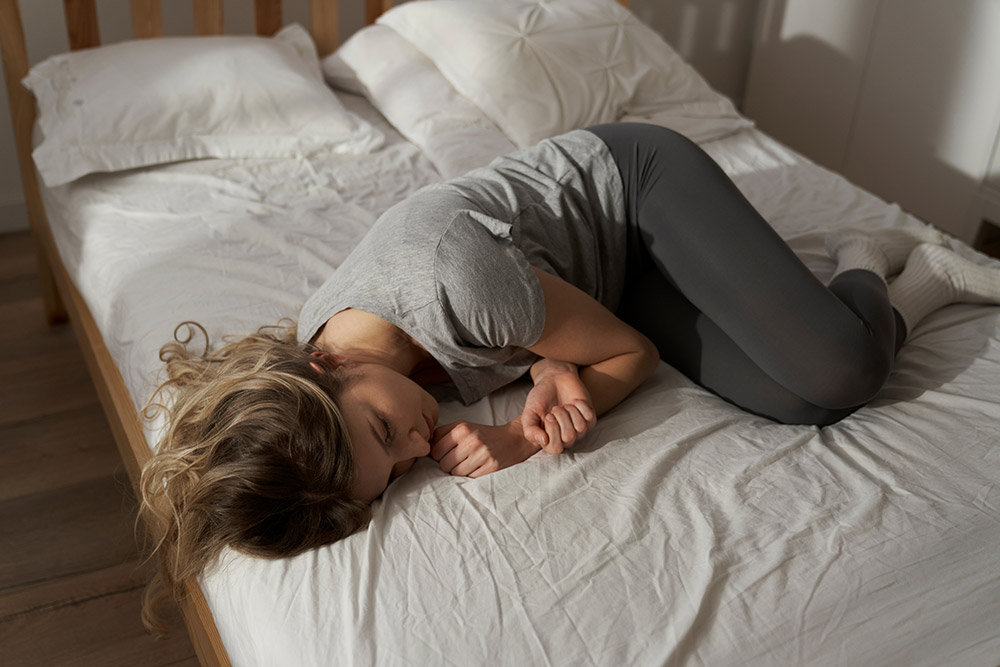
As physical symptoms of depression can overlap with those of other medical conditions, it can be easy to miss.
Why Physical Symptoms Are So Easy to Miss
Many of the physical symptoms of depression overlap with those of other medical conditions. As a result, people often seek help for problems such as poor sleep, persistent headaches, unexplained aches and pains, or ongoing fatigue without realising that depression may be contributing to their symptoms.
Depression also tends to develop gradually, making it difficult to recognise the connection between physical changes and emotional well-being. Rather than appearing suddenly, symptoms often build over weeks or months.
Looking at your symptoms as a whole can help provide a clearer picture. If you have experienced several of these physical symptoms alongside a persistently low mood or loss of interest in activities for two weeks or more, it is important to speak with your GP. They can assess your symptoms, rule out other possible causes and discuss appropriate treatment options.
Ketamine as a Treatment for Depression
Understanding Treatment-Resistant Depression
For many people, treating depression also leads to an improvement in its physical symptoms. As mood improves, fatigue, sleep disturbances, aches and pains, and other physical effects often begin to ease. However, not everyone responds to standard treatments. Some people continue to experience significant symptoms despite trying established approaches such as antidepressant medication, psychological therapy, or a combination of both. This is known as treatment-resistant depression.
When Other Treatments Aren’t Working
Treatment-resistant depression is typically diagnosed when a person has not experienced sufficient improvement after trying at least two appropriate antidepressant medications, taken at the recommended dose and for an adequate duration. For these individuals, additional treatment options may be considered under the guidance of an experienced psychiatrist.
How Ketamine Treatment Differs
For suitable individuals, ketamine-based treatment may be considered as an alternative treatment option. Unlike conventional antidepressants, which primarily act on serotonin or noradrenaline pathways and may take several weeks to become effective, ketamine works through the brain’s glutamate system. For some people with treatment-resistant depression, this may be associated with a more rapid improvement in symptoms.
Ketamine treatment is delivered in a carefully monitored clinical setting and is only recommended following a comprehensive psychiatric assessment. It is not considered a first-line treatment and is generally reserved for people who have not achieved sufficient results from more conventional approaches.
Start Your Assessment Process for Ketamine Treatment
If you are exploring ketamine treatment after a limited response to previous mental health care, you can contact Save Minds to begin the assessment process. The team can guide you through any referral requirements, arrange a psychiatric suitability assessment and help you understand whether this approach may be appropriate for your circumstances. Every enquiry is handled confidentially, and there is no obligation to proceed.
📞 +44 20 7722 0865
✉️ info@saveminds.co.uk
FAQs
Can depression cause physical pain?
Yes, depression is associated with changes in the way the brain processes pain, which can increase sensitivity to aches and discomfort throughout the body. Some people experience muscle pain, joint pain, headaches or back pain without an identifiable physical cause. As pain can result from many different conditions, persistent or unexplained symptoms should be assessed by a healthcare professional.
Can depression weaken the immune system?
Research suggests that depression may influence immune function through changes in the body’s stress response and inflammatory processes. Over time, this may affect the body’s ability to respond to illness.
Does depression cause headaches?
Headaches are commonly reported by people living with depression. Changes in brain chemistry, increased muscle tension and disrupted sleep may all contribute to their development. If headaches are persistent, worsening or different from your usual pattern, medical assessment is recommended.
Can depression cause chest pain?
Depression, particularly when accompanied by anxiety, can contribute to chest tightness or discomfort. However, chest pain should never be assumed to be related to mental health alone, as it may indicate an underlying medical condition. Urgent medical assessment is recommended for severe, sudden or unexplained chest pain.
How does depression affect energy levels?
Persistent fatigue is one of the most common physical symptoms of depression. Many people experience a marked reduction in physical and mental energy, making routine activities more difficult despite getting adequate rest. This fatigue often improves as the underlying depression is successfully treated.
Can depression cause dizziness or lightheadedness?
Some people experience dizziness or lightheadedness as part of depression, particularly if they are also affected by poor sleep, reduced appetite, dehydration or anxiety. As these symptoms can have many potential causes, they should be assessed to determine if they are ongoing or unexplained.
Can depression affect heart health?
Studies have identified an association between depression and an increased risk of cardiovascular disease. While the relationship is complex, prolonged activation of the body’s stress response and associated lifestyle factors may contribute to poorer heart health over time.
Can depression cause shortness of breath?
Depression does not typically cause shortness of breath directly. However, anxiety, which commonly occurs alongside depression, can produce sensations of breathlessness or difficulty taking a full breath. Any new or unexplained shortness of breath should be assessed promptly to exclude an underlying medical condition.