


Post-traumatic stress disorder (PTSD) is a complex mental health condition that can develop after experiencing or witnessing a traumatic event. It can show up in many ways, from flashbacks and severe anxiety to intrusive, uncontrollable thoughts about what happened.
For many people, PTSD significantly disrupts daily life, affecting relationships, work and overall wellbeing. Traditional treatments such as talking therapy and medication can be effective for some, but they do not always provide the relief people are looking for.
This gap in care has led many to explore alternative approaches, and the relationship between ketamine and PTSD has become an area of growing clinical interest. At Save Minds UK, we offer a ketamine treatment for people who have found limited relief through more conventional treatment.
What Are the Symptoms of PTSD?
PTSD symptoms tend to fall into four broad groups:
Re-experiencing
This is one of the most common features of PTSD. It can involve flashbacks, nightmares, repetitive and distressing images, or physical sensations such as pain, sweating or trembling that bring the trauma back into the present.
Avoidance
Many people go to great lengths to avoid anything that reminds them of the trauma, whether that means places, people or conversations. This can extend to emotional numbing, where you feel detached or cut off from your own feelings and from those around you.
Hyperarousal
Living in a state of constant alertness, sometimes described as feeling permanently “on edge”, is a hallmark of PTSD. It can lead to irritability or angry outbursts, difficulty sleeping and problems concentrating.
Negative changes in mood and thinking
PTSD can reshape how you see yourself and the world, often bringing persistent low mood, guilt, shame or a loss of interest in things you once enjoyed. For many people, this overlaps with depression and anxiety.
What Causes PTSD?
PTSD can follow any situation that a person finds traumatic. It may develop immediately after the event, or it can surface weeks, months or even years later.
Not everyone who experiences trauma will develop PTSD. It is estimated that around one in three people who go through a traumatic experience go on to develop the condition, though it is not fully understood why some people are affected while others are not.
Several factors are thought to play a part, including the way the brain processes memory and fear, the continued release of stress hormones such as adrenaline after the danger has passed, and having a personal or family history of mental health difficulties.
What Is Complex PTSD?
Some people experience repeated or prolonged trauma, such as ongoing abuse, neglect or interpersonal violence, particularly during childhood. This can lead to complex post-traumatic stress disorder (C-PTSD), a related condition that shares many of the core symptoms of PTSD but also affects emotional regulation, self-identity and relationships.
In addition to symptoms such as intrusive memories, avoidance and hypervigilance, people with C-PTSD may experience persistent difficulties managing emotions, a deeply negative self-image and ongoing challenges in forming or maintaining relationships. As complex PTSD often develops following long-term trauma, treatment may require a more comprehensive and longer-term approach.
If you think you may be living with PTSD or complex PTSD, a comprehensive psychiatric assessment is an important first step. An accurate diagnosis helps ensure that any treatment plan is tailored to your individual symptoms, experiences and needs.
Understanding PTSD and the Limits of Traditional Care
Conventional treatment for PTSD typically begins with trauma-focused psychological therapy and, in some cases, medication. While these approaches are effective for many people, they do not work for everyone.
Some individuals continue to experience significant symptoms despite actively engaging with recommended treatments. When PTSD remains difficult to manage with conventional care alone, ketamine-assisted treatment may be considered as an alternative treatment option for suitable candidates.
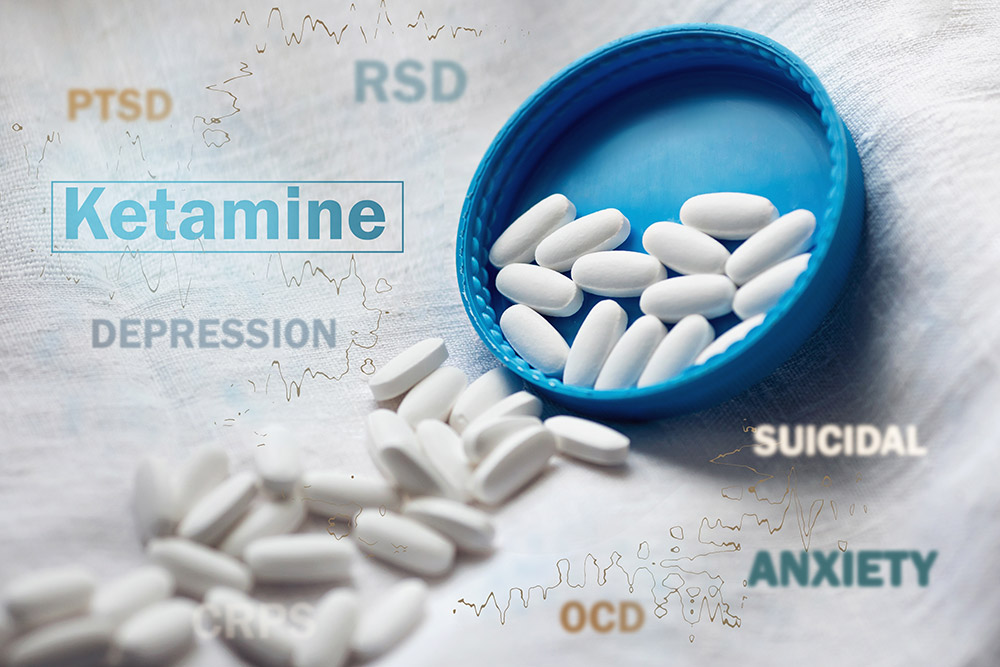
Ketamine works through the brain’s glutamate system rather than just affecting serotonin or noradrenaline.
How Does Ketamine Work for PTSD?
Unlike conventional medications for PTSD, ketamine works through the brain’s glutamate system rather than primarily affecting serotonin or noradrenaline. Glutamate is the brain’s excitatory neurotransmitter and plays an important role in learning, memory and the brain’s ability to adapt and form new neural connections.
Supporting Neuroplasticity
Ketamine is thought to promote neuroplasticity, the brain’s ability to create and strengthen new connections. PTSD can reinforce patterns of fear and emotional hypervigilance, making traumatic memories feel as though they are continually happening in the present. By supporting neuroplasticity, ketamine may help the brain become more receptive to new ways of processing these experiences.
For some people, this may make it easier to engage in psychological therapy by reducing the intensity of emotional distress associated with traumatic memories. Rather than replacing therapy, ketamine may help create a window in which therapeutic work becomes more manageable.
A Different Treatment Approach
Unlike traditional antidepressants, which often take several weeks to reach their full effect, ketamine may produce improvements in symptoms much more quickly for some people. Although responses vary, some individuals report changes within days following treatment.
Ketamine is not a cure for PTSD, and it is not effective for everyone. It is generally considered for people whose symptoms have persisted despite appropriate psychological therapy and, where appropriate, medication.

At Save Minds UK, your PTSD treatment begins with a comprehensive psychiatric assessment to determine whether ketamine treatment is suitable for you.
Why PTSD Patients in the UK Choose Save Minds
Living with PTSD can make seeking treatment feel overwhelming. At Save Minds UK, we provide ketamine treatment within a structured, trauma-informed framework designed to prioritise safety, dignity and personalised care throughout your treatment journey.
What to Expect During Treatment
Initial Assessment
Your treatment begins with a comprehensive psychiatric assessment to confirm whether ketamine treatment is suitable for you. During this appointment, we discuss your symptoms, previous treatments, medical history and treatment goals to develop an individualised care plan.
Preparing for Treatment
Before your first session, our team will explain the treatment process, discuss what you can expect during and after ketamine treatment, and answer any questions you may have so you feel informed and prepared.
Ketamine Treatment Sessions
Treatment takes place in a calm, closely monitored clinical environment. Throughout each session, trained clinicians monitor your wellbeing and provide support while the medication takes effect.
Follow-Up Care
Recovery is an ongoing process. Our team provides ongoing follow-up and monitoring throughout your treatment, ensuring your progress is reviewed and your care plan is adjusted as needed.
Start Your Assessment Process for Ketamine Treatment
If you are exploring ketamine treatment after a limited response to previous mental health care, you can contact Save Minds to begin the assessment process. The team can guide you through any referral requirements, arrange a psychiatric suitability assessment and help you understand whether this approach may be appropriate for your circumstances. Every enquiry is handled confidentially, and there is no obligation to proceed.
📞 +44 20 7722 0865
✉️ info@saveminds.co.uk
FAQs
How does ketamine help with PTSD?
Ketamine works differently from conventional medications by acting on the brain’s glutamate system, which plays an important role in learning, memory and emotional processing. It is thought to promote neuroplasticity, helping the brain form new neural connections. For some people with PTSD, this may reduce the intensity of trauma-related symptoms and make it easier to engage with psychological therapy.
Is ketamine treatment safe for PTSD?
Ketamine treatment has an established safety profile when delivered in a controlled clinical setting under appropriate medical supervision. At Save Minds UK, treatment is provided following a comprehensive psychiatric assessment, with patients closely monitored throughout each session. As ketamine is not suitable for everyone, eligibility is determined on an individual basis.
How quickly does ketamine work for PTSD?
Response times vary between individuals. Unlike many conventional medications, which may take several weeks to become effective, some people notice an improvement in symptoms within days of treatment. However, ketamine is not effective for everyone, and longer-term outcomes depend on factors such as the underlying condition, ongoing psychological support and completion of the recommended treatment plan.
How many ketamine treatments are needed for PTSD?
At Save Minds, treatment begins with an initial course of 10 treatments, twice a week for five weeks. Some people may also benefit from maintenance treatments, which are recommended on an individual basis if symptoms return.
Does ketamine help with complex PTSD?
Ketamine may be considered for some people living with complex PTSD whose symptoms have not improved with conventional treatments. As complex PTSD often involves long-standing or repeated trauma, ketamine is generally used as part of a comprehensive treatment plan that includes ongoing psychological support. Suitability is determined following a specialist psychiatric assessment.