

Mood disorders such as depression, anxiety and PTSD affect millions of people, and for many they are managed well with antidepressants and talking therapy. But not everyone responds to conventional treatment. Some people continue to experience significant symptoms after trying several medications and different forms of therapy.
At Save Minds UK in London, we provide ketamine treatment as an option for adults whose mood disorder has not improved with more conventional care. This article explains how ketamine works, which conditions it may be considered for, and what treatment at our clinic involves.
How Ketamine Works in the Brain
Most conventional antidepressants, such as selective serotonin reuptake inhibitors (SSRIs), primarily work on the brain’s serotonin system and may take several weeks to have a noticeable effect. Ketamine works differently.
Working Through the Glutamate System
Ketamine acts on the brain’s glutamate system, one of the brain’s most active signalling systems. Glutamate plays an important role in:
- Learning and memory
- Communication between brain cells
- The brain’s ability to adapt and form new connections
By working through this system rather than serotonin alone, ketamine is thought to support neuroplasticity, the brain’s capacity to adapt and build or strengthen neural pathways.
Supporting New Patterns of Thinking
Mood disorders can contribute to entrenched patterns of low mood, fear or rumination. Over time, these patterns can become self-reinforcing, which may make some conditions difficult to shift with standard treatments.
By supporting neuroplasticity, ketamine may help the brain become more receptive to change. This may create an opportunity for established patterns of thinking and mood to begin to shift.
Why the Effects May Be Different
Mood disorders, including major depressive disorder, can be difficult to treat, particularly when symptoms have not responded to conventional treatments. Ketamine’s different mechanism of action may help explain why some people experience changes in depressive symptoms more quickly than they would with traditional antidepressants.

Every treatment plan begins with a comprehensive psychiatric assessment.
How Ketamine Can Help With Different Mood Disorders
Ketamine is not a first-line treatment, and its role can vary by condition. At Save Minds, we may consider it for adults whose symptoms have persisted despite appropriate treatment, with suitability determined through a comprehensive psychiatric assessment.
Depression and Treatment-Resistant Depression
Depression can involve persistent patterns of low mood and negative thinking that do not always improve with standard antidepressant treatment. Ketamine works primarily through the brain’s glutamate system and is thought to influence neuroplasticity, the brain’s ability to adapt and form new connections. This different mechanism may help explain why some people experience changes in their symptoms more quickly than they would with conventional antidepressants.
This is the most studied use of ketamine in mental health. It is generally considered for people whose depression has not improved after trying other treatments. Research reviewed in Discover Mental Health found that intravenous ketamine produced rapid reductions in depressive symptoms among people with treatment-resistant depression, where conventional options had not provided adequate relief.
Anxiety
Anxiety can involve persistent feelings of worry, fear or heightened alertness. Glutamate plays an important role in communication between brain cells and in processes involved in learning and responding to perceived threats.
As ketamine acts on the glutamate system, researchers have explored its potential role in treating anxiety disorders, particularly where symptoms have not responded adequately to standard treatment. A systematic review and meta-analysis of randomised controlled trials published in Therapeutic Advances in Psychopharmacology found preliminary evidence that ketamine may reduce symptoms in some anxiety spectrum disorders.
PTSD and Complex PTSD
Post-traumatic stress disorder (PTSD) can involve persistent distressing memories, heightened alertness and a continued sense of threat. For some people, reminders of a traumatic experience can trigger responses that feel immediate and difficult to control.
Ketamine has been studied as a potential treatment for trauma-related symptoms. Its effects on glutamate and neuroplasticity have been proposed as possible mechanisms through which it may influence the way the brain responds to traumatic experiences. A 2024 systematic review and meta-analysis examining ketamine for PTSD, for example, found that the available evidence suggests potential improvements in PTSD symptoms.
Other Conditions Ketamine May Be Considered For
Ketamine treatment at Save Minds is considered for adults whose symptoms have persisted despite appropriate treatment. It may be an option for people living with:
- Bipolar depression
- Severe or persistent suicidal ideation
- Obsessive-compulsive disorder (OCD)
Why Patients in the UK Choose Save Minds
Living with persistent mental health symptoms can make seeking further help feel exhausting, particularly when previous treatments have not provided adequate relief.
Save Minds is a consultant-led, CQC-registered clinic, established in 2017 as the first private intravenous ketamine clinic in the UK and Europe. Founded by Dr Rajalingam Yadhunanthanan (widely known as Dr Yadhu), a distinguished dual NHS Consultant in Anaesthesia and Intensive Care Medicine at the Royal Free London NHS Foundation Trust, where he has served for over two decades, he brings over 30 years of clinical experience in anaesthesia. Every treatment is delivered in a private clinical setting under expert consultant supervision, combining exceptional medical expertise with the highest standards of patient safety and personalised care.
At our clinic, ketamine treatment is provided within a structured, consultant-led clinical framework, with care tailored to each individual’s circumstances. From the initial assessment through follow-up, we focus on careful monitoring, informed decision-making, and personalised support throughout the treatment process.
Our clinical team monitors your response throughout treatment and uses ongoing mood and anxiety tracking to help review your progress over time.
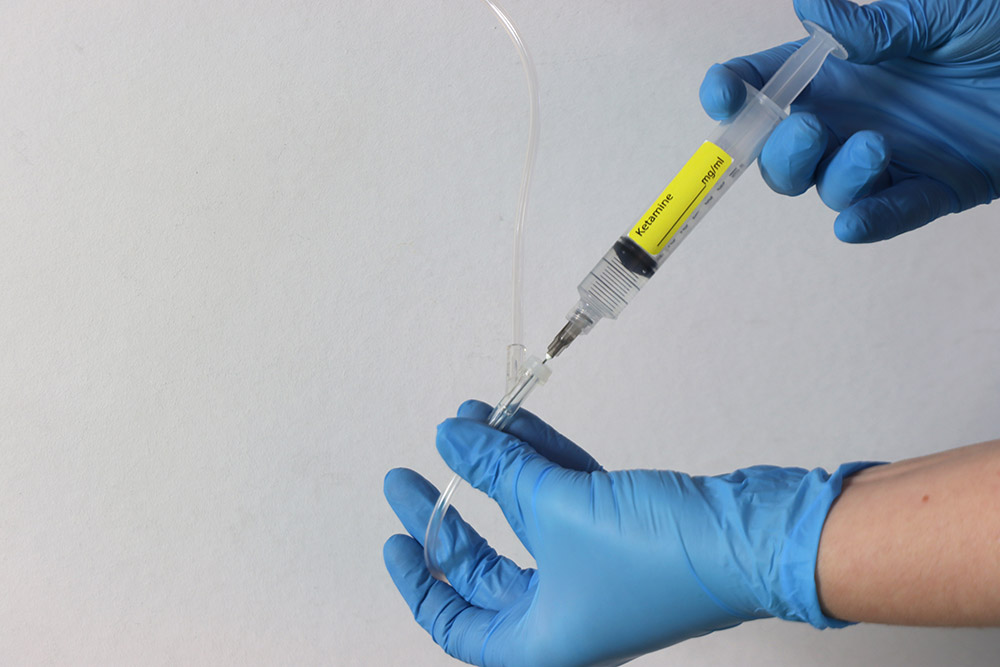
Ketamine is administered as an intravenous infusion under close medical supervision.
What to Expect During Ketamine Treatment
Initial Assessment
Your treatment journey begins with a comprehensive psychiatric assessment to determine whether ketamine treatment may be appropriate for you. During this appointment, we discuss your symptoms, previous treatments, medical history and treatment goals to develop an individualised care plan.
Preparing for Treatment
Before your first session, our team will explain the treatment process, discuss what you can expect during and after ketamine treatment, and answer any questions you may have so you feel informed and prepared.
Ketamine Treatment Sessions
Treatment takes place in a calm, closely monitored clinical environment. Throughout each session, trained clinicians monitor your well-being and provide support while the medication takes effect.
Follow-Up Care
Recovery is an ongoing process. Our team provides follow-up and monitoring throughout your treatment, reviewing your progress and adjusting your care plan as needed.
How Many Ketamine Treatments Are Required
At Save Minds, treatment begins with an initial course of 10 treatments, delivered at two treatments per week over five weeks. This structure allows us to track your response consistently over time.
Progress is monitored throughout the course, and some people may benefit from maintenance treatments afterwards, recommended on an individual basis if symptoms return.
Start Your Assessment Process for Ketamine Treatment
If you are exploring ketamine treatment after a limited response to previous mental health care, you can contact Save Minds to begin the assessment process. The team can guide you through any referral requirements, arrange a psychiatric suitability assessment and help you understand whether this approach may be appropriate for your circumstances. Every enquiry is handled confidentially, and there is no obligation to proceed.
📞 +44 20 7722 0865
✉️ info@saveminds.co.uk
FAQs
Which mood disorders can ketamine help treat?
Ketamine may be considered for a range of mental health conditions, most commonly treatment-resistant depression. It has also been investigated or used in selected circumstances for conditions including anxiety, PTSD, bipolar depression and OCD.
Ketamine is generally considered when symptoms have not responded adequately to other appropriate treatments. As mental health conditions can overlap, whether treatment is appropriate for an individual is determined through a comprehensive psychiatric assessment rather than by diagnosis alone.
How quickly does ketamine work for mood disorders?
Response times vary from person to person. Unlike many conventional antidepressants, which may take several weeks to have a noticeable effect, some people experience changes in their symptoms relatively quickly following ketamine treatment.
How does ketamine improve mood?
Ketamine works differently from many conventional antidepressants. Rather than primarily acting on the serotonin system, it acts on the brain’s glutamate system.
It is thought to influence neuroplasticity, the brain’s ability to adapt and form new connections. Researchers believe this may help explain its effects on mood and why some people experience changes in their symptoms more quickly than they would with conventional antidepressants.
How many ketamine treatments are needed for mood disorders?
The number of treatments varies depending on the individual, their condition and their response to treatment. At Save Minds, treatment begins with an initial course of 10 treatments, typically provided twice a week over five weeks. We monitor your response throughout the course. Some people may require further treatment or maintenance sessions if clinically appropriate.
Who should not use ketamine for mood disorders?
Ketamine is not suitable for everyone. Certain medical, psychiatric or medication-related factors may mean that treatment is not recommended or requires additional consideration. A comprehensive psychiatric assessment is carried out before treatment to review your medical history, current medications, diagnosis and overall circumstances. This assessment helps determine whether ketamine is an appropriate treatment option for you.
What happens during a ketamine treatment session?
At Save Minds, we operate an exclusively consultant-led model of care, meaning every intravenous ketamine treatment is administered by a highly experienced Consultant Anaesthetist, rather than delegated to junior doctors or other clinical staff. Our consultants personally oversee each infusion, closely monitoring your safety, comfort and clinical response throughout.
Every session forms part of a personalised treatment programme, with your progress regularly assessed, follow-up care provided and adjustments made where clinically appropriate. This approach ensures continuity of care, specialist medical expertise and the highest standards of patient safety throughout your treatment journey.