


Depression is more than feeling sad or having a difficult week; it’s a recognised mental health condition that can affect how you feel emotionally, how you behave, how you think and even how your body functions.
If you think you might be depressed, recognising the causes, warning signs, and symptoms is an important first step towards getting the right help. Many people wait a long time before reaching out, yet the sooner you reach out, the sooner recovery can begin. At Save Minds UK, we offer ketamine treatment for people looking to find relief from depression where more traditional treatments may have fallen short.
What Is Depression?
Depression, sometimes referred to as clinical depression or major depressive disorder, typically involves a persistent low mood and a loss of interest or pleasure in things you once enjoyed. These symptoms continue for weeks or months and are significant enough to interfere with your work, social life and relationships.
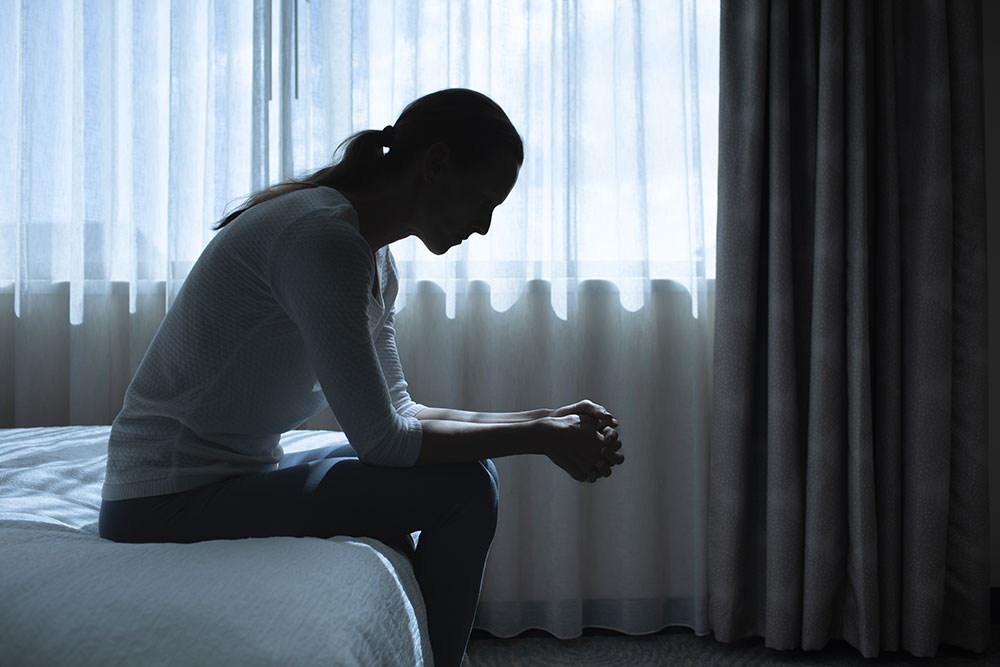
Depression can look different between individuals; however, symptoms can manifest in emotional, cognitive, physical or behavioural ways.
What Causes Depression?
There is rarely a single cause of depression. For most people, it develops through a combination of biological, psychological, social and lifestyle factors that accumulate over time. Sometimes there is a clear trigger, and sometimes there isn’t. Possible contributors of depression include:
Biological factors
Depression can run in families, meaning a family history may make someone more vulnerable to experiencing it. Changes in brain chemistry and the way the brain regulates mood may also play a role. Hormonal changes, including those that occur during pregnancy, after birth or during menopause, may contribute to depressive symptoms, as can living with chronic illness or ongoing pain.
Psychological factors
Psychological and emotional factors can also play a role in depression. Ongoing stress, trauma, grief or major life changes can place significant strain on your mental health. Negative thought patterns, low self-esteem and difficulty coping with painful experiences may also contribute to ongoing depressive symptoms. People who have previously experienced anxiety or another mental health condition may also be more vulnerable to depression.
Social and environmental factors
Relationship breakdowns, loneliness, social isolation and ongoing pressure at work can all affect mental health over time. Financial strain, bullying, discrimination and major life changes, such as moving, redundancy or bereavement, may also increase emotional stress and contribute to depressive symptoms.
Lifestyle and health factors
Poor sleep, low levels of physical activity, long-term stress and using alcohol or other substances to cope may all affect mood and overall well-being. Certain medications and underlying medical conditions can also contribute to depressive symptoms, which is why it is important to speak with your GP if mood changes persist or begin to affect daily life.
Signs and Symptoms of Depression
Depression can look different from person to person, and not everyone will experience the same symptoms. Some people may feel persistently sad, while others may feel numb, irritable, exhausted or disconnected from daily life.
Emotional Symptoms
Depression does not always appear as sadness. For some people, it may feel more like emptiness, emotional numbness or a noticeably shorter temper. Emotional symptoms may include:
- Persistent sadness
- Feelings of emptiness or numbness
- Hopelessness
- Guilt or worthlessness
- Irritability or frustration
- Feeling overwhelmed
Cognitive Symptoms
Depression can also affect the way a person thinks, processes information and makes decisions.
Cognitive symptoms may include:
- Difficulty concentrating
- Indecisiveness
- Persistent negative thoughts
- Problems with memory
- Thoughts of death or self-harm
Physical Symptoms
Depression can also affect the body, not just the mind. Physical symptoms may include:
- Fatigue or low energy
- Disturbed sleep
- Changes in appetite or weight
- Unexplained aches and pains
- Slowed movement or restlessness
Behavioural Symptoms
Depression can affect what a person does, not just how they feel. Changes in behaviour may be gradual, and they can sometimes be noticed by friends, family or colleagues before the person recognises them themselves.
Behavioural symptoms of depression may include:
- Withdrawing from friends and family
- Avoiding work, study or other responsibilities
- Losing interest in hobbies or activities
- Neglecting personal care or daily routines
- Drinking alcohol or using substances more than usual
- Spending more time alone
- Becoming more tearful
- Repeatedly cancelling plans
Signs of Severe Depression
Depression can range from mild to severe. However, some signs may suggest that symptoms are becoming more serious and that support should be sought as soon as possible.
Warning signs may include:
- Symptoms lasting for two weeks or more
- Difficulty functioning at work, school or home
- Withdrawing from friends, family or loved ones
- Talking about feeling hopeless, trapped or being a burden
- Increased alcohol or substance use
- Sudden risky or impulsive behaviour
- Thoughts of death, self-harm or suicide
If there is an immediate risk of harm, urgent support should be the first priority. In the UK, this may mean calling 999, going to A&E, contacting NHS 111, speaking with a local crisis team, or asking a trusted person to stay with you while support is arranged.

If you notice ongoing changes in your mood, behaviour, energy levels or daily routines, it may be worth speaking with a GP or mental health professional.
Depression Can Look Different from Person to Person
Depression does not present in the same way for everyone. Recognising this can make it easier to notice when someone may need support, even if their symptoms do not fit a familiar idea of what depression “looks like”.
Some people may become more withdrawn, while others may seem more irritable, restless or easily frustrated. Depression may also appear differently depending on a person’s age, life stage, circumstances or the way they have learned to express distress.
For example, some men may be more likely to show irritability, anger or increased alcohol or substance use, rather than openly describing sadness. While some older adults may experience fatigue, pain, isolation, memory concerns or a loss of interest in usual activities.
These examples are not intended to define how depression will appear in every person, and instead, it would be more helpful to notice ongoing changes in someone’s usual mood, behaviour, energy levels or daily routines. If you notice these changes in yourself or someone close to you, it may be worth speaking with a GP or mental health professional.
📞 +44 20 7722 0865
✉️ info@saveminds.co.uk
When Should I Seek Professional Help for Depression?
It may be worth speaking with your GP if symptoms have lasted for more than two weeks, are interfering with daily life, or are becoming more difficult to manage.
A helpful sign that it may be time to book an appointment is when you no longer enjoy things you once did, your mood has been low most days, your sleep, appetite or energy levels have changed, or you are withdrawing from others. Your GP may ask about your physical health, mental health history, current symptoms and how you have been feeling day to day. Being as open as possible can help them understand what may be happening and what type of support may be appropriate.
Treatment Options for Depression
Treatment for depression depends on the severity of symptoms, personal circumstances, medical history and how someone has responded to previous care. Many people improve with standard treatment options such as talking therapy, antidepressant medication, lifestyle changes and ongoing support from their GP or mental health professional.
GP-Led Support and Lifestyle Changes
For mild depression, a GP may suggest guided self-help, lifestyle changes or a talking therapy such as cognitive behavioural therapy. Lifestyle changes may include improving sleep, increasing physical activity, reducing alcohol or substance use and building regular routines and social support.
Talking Therapy and Antidepressant Medication
For moderate to severe depression, treatment may involve talking therapy, antidepressant medication or a combination of both. The most suitable approach will depend on the person’s symptoms, preferences, medical history and level of risk.
Specialist Mental Health Support
If symptoms are severe, long-lasting, or not improving with standard treatment, a GP may refer you to a psychiatrist or specialist mental health team for further assessment. This can help clarify the diagnosis, review previous treatment and consider other options.
Ketamine Treatment for Depression
For some people whose depression has not responded adequately to previous treatment, ketamine treatment may be considered. Suitability depends on factors such as a careful psychiatric assessment, medical history, prior treatment response and potential risks or contraindications.
Start Your Assessment Process for Ketamine Treatment
If you are exploring ketamine treatment after a limited response to previous mental health care, you can begin the assessment process by contacting Save Minds. The team will guide you through any referral requirements, carry out a psychiatric suitability assessment and help you understand whether this approach may be right for your individual circumstances. Every enquiry is handled confidentially, and there is no obligation to proceed.
📞 +44 20 7722 0865
✉️ info@saveminds.co.uk
FAQs
What are the most common warning signs of depression?
Common warning signs of depression include a low mood that does not lift, losing interest in things that used to feel enjoyable and ongoing tiredness or low energy. Changes in sleep, appetite, concentration and motivation are also common. If several symptoms appear together and last for two weeks or more, it may be worth speaking with your GP.
How do I know if I’m feeling depressed or just having a bad day?
A difficult day or short period of low mood is often linked to a specific event and may improve with time, rest or support. Depression is more persistent and can begin to affect daily functioning, relationships, work and general wellbeing. If your mood remains low most days or you notice ongoing changes in how you feel, think or function, it may be worth seeking professional support.
What are the early signs of depression to watch out for?
Early signs of depression can be subtle and may develop gradually. They may include withdrawing from others, reduced motivation, irritability, poor sleep, difficulty concentrating, or a loss of interest in activities that usually feel enjoyable. Noticing these changes early can make it easier to seek support before symptoms become more severe.
Can depression develop suddenly, or does it happen gradually?
Depression can develop gradually over time or appear more suddenly. For some people, symptoms build over weeks or months, particularly during ongoing stress, grief, relationship difficulties, illness or major life changes. For others, symptoms may emerge after a significant event, while some people may not be able to identify a clear trigger.
What physical symptoms can accompany depression?
Depression can affect physical health as well as mood. Physical symptoms may include fatigue, disturbed sleep, changes in appetite or weight, unexplained aches and pains, reduced sex drive or restlessness. Some people first seek medical advice for physical symptoms before recognising that these may be linked to depression.
How do depression symptoms differ in men and women?
Depression can affect men and women in many of the same ways, including low mood, loss of interest, fatigue, sleep changes and difficulty concentrating. However, some differences can occur in how symptoms are expressed or recognised. Women may be more likely to report sadness, guilt, tearfulness or changes linked to hormonal life stages, while men may be more likely to express distress through irritability, anger, withdrawal, risk-taking or increased alcohol or substance use.
Can lifestyle changes help with depression?
Lifestyle changes can support mental well-being and may form part of a broader treatment plan for depression. Regular physical activity, healthy sleep habits, routine, social connection, balanced nutrition and reducing alcohol or substance use may be helpful. However, lifestyle changes should not replace professional care, particularly when symptoms are persistent, worsening or affecting daily life.
When should I seek help for depression?
You should consider speaking with your GP if symptoms have lasted for more than 2 weeks, are affecting daily life, are worsening, or previous treatment has not provided sufficient improvement. If you are experiencing thoughts of self-harm or suicide, seek urgent support straight away. In an emergency, call 999 or go to A&E. You can also call Samaritans for free on 116 123 at any time.
What does ketamine treatment involve?
Ketamine treatment at Save Minds begins with a comprehensive assessment by a consultant psychiatrist to review your symptoms, medical history and previous treatments. If treatment is appropriate, you’ll attend your sessions in a private clinical suite where ketamine is administered by intravenous (IV) infusion over approximately 50 minutes. Your heart rate, blood pressure and oxygen levels are continuously monitored throughout the session, followed by a period of recovery before you’re able to go home. Your progress is also tracked throughout your treatment programme using daily mood check-ins and validated clinical assessment tools.
How is ketamine treatment different from standard antidepressants?
Traditional antidepressants primarily work by affecting neurotransmitters such as serotonin and noradrenaline and may take several weeks to produce noticeable improvements. Ketamine works through a different pathway by acting on the brain’s glutamate system, which is involved in learning, adaptation and neuroplasticity. Due to this different mechanism, ketamine may help some people who haven’t responded to conventional antidepressants and may produce improvements more quickly than traditional medications.
Who is ketamine treatment suitable for?
Ketamine treatment is generally intended for adults experiencing treatment-resistant depression. This usually means you have tried at least two antidepressant medications at appropriate doses and duration, often alongside psychological therapy, without achieving lasting improvement. Before treatment begins, every patient undergoes a thorough assessment to determine whether ketamine therapy is safe and appropriate for their individual circumstances.